
In an increasingly data-driven world, visualizing demographics has become essential for effective communication and storytelling. The use of population images is a powerful tool that helps convey complex data in a visually engaging manner. Whether for academic purposes, marketing strategies, or personal projects, understanding how to leverage these images can enhance the impact of your visual designs. This article delves into the different styles, colors, and moods associated with population images, alongside tips for choosing and incorporating them into your wallpapers and other visual projects.
Understanding Population Images
Population images are visual representations that provide insights into demographic trends, statistics, and patterns. They can be used to illustrate everything from age distribution and ethnic diversity to population growth and urbanization. These images often blend artistic elements with factual data, making them a compelling way to engage audiences and provoke thought.
When selecting images to represent demographic data, it’s essential to focus on the clarity and relevance of the visuals. A well-chosen image can speak volumes and resonate with viewers emotionally, while a poorly selected one can lead to confusion or disinterest.
The Role of Color in Population Images
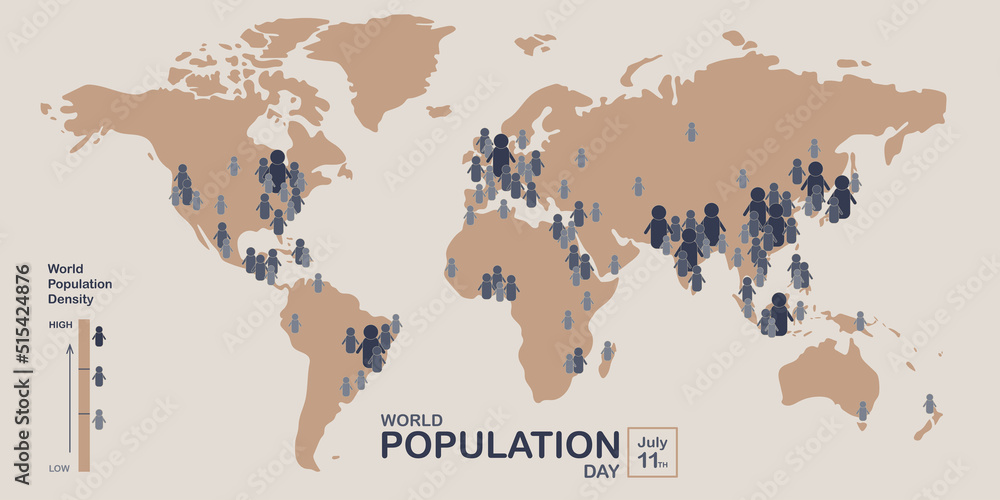
Color plays a critical role in the effectiveness of population images. Different colors can evoke various emotions and responses. For instance, blue tones often represent calmness and stability, making them ideal for demographic studies related to population growth. In contrast, vibrant colors like orange and red can signify energy and urgency, suitable for images depicting rapid urbanization or migration trends.
Understanding color psychology is essential when choosing images for your designs. Here are some color considerations:
- Cool Colors: Blues and greens can promote calmness and are often associated with stability.
- Warm Colors: Reds and yellows can invoke feelings of excitement or urgency, which might be useful in dynamic environments.
- Earthy Tones: Browns and greens can create a sense of connection to nature, suitable for rural demographic representations.
Styles of Population Images
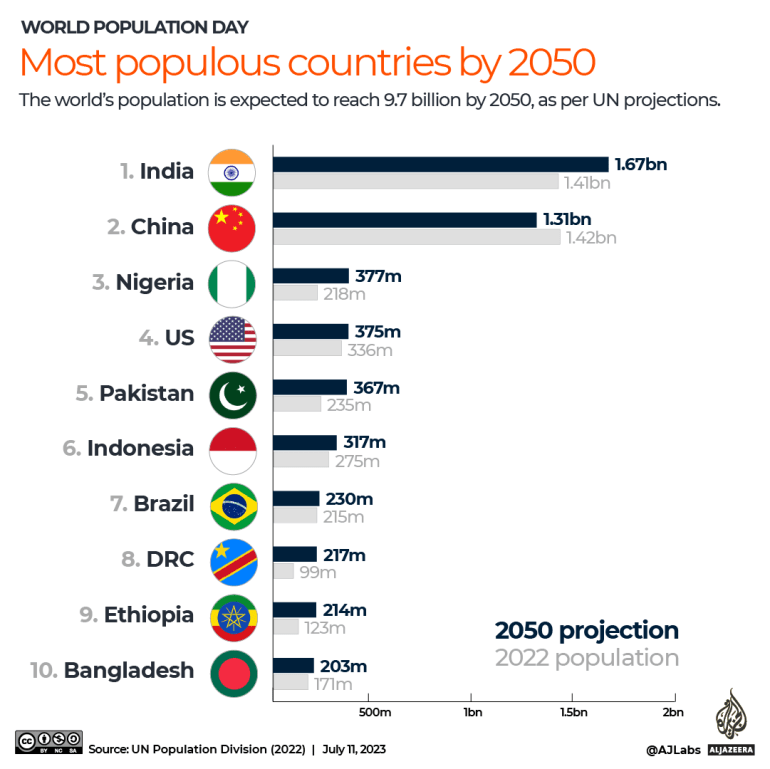
Population images can be categorized into several styles, each serving a distinct purpose. These styles may include:
- Infographics: Combining graphics with data, infographics are great for providing a comprehensive overview of demographic statistics in an engaging format.
- Illustrative Maps: These images visualize geographic data, showcasing population density or distribution across regions.
- Photo Collages: By assembling various images of people from different demographics, collages can present a multifaceted view of societal makeup.
Choosing the right style depends on your target audience and the message you want to convey. For instance, if you’re designing a wallpaper for a tech company, a clean infographic style might work best. In contrast, a community initiative might benefit from a photo collage showcasing diversity.
Tips for Choosing and Combining Population Images
When working with population images, especially for wallpapers or digital backgrounds, consider the following tips:
- Define Your Message: Start by determining what you want to communicate. This clarity will guide your image selection process.
- Focus on Quality: High-resolution images are crucial for maintaining visual appeal, especially on larger screens.
- Ensure Relevance: The images you choose should directly relate to the demographics you are portraying.
- Experiment with Layout: Play with different arrangements and compositions to see what resonates best with your audience.
Inspiration from Successful Designs
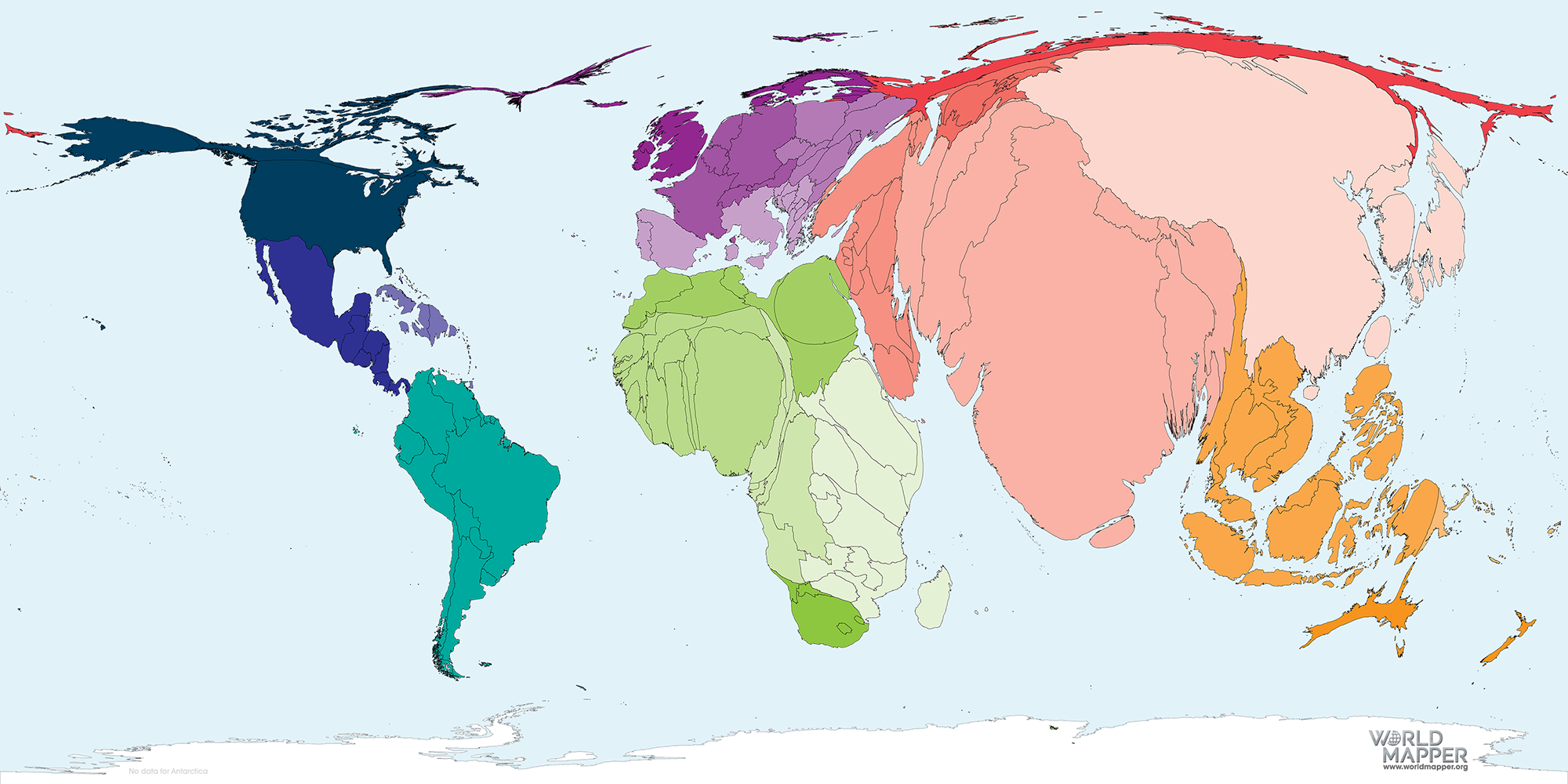
Several successful designs showcase the power of population images effectively. For example, campaigns promoting social awareness often use striking visuals that capture the essence of the demographics they represent. These designs not only convey important information but also inspire action and empathy.
Another source of inspiration can be found in public health campaigns that utilize population images to highlight issues such as vaccination rates or health disparities. These designs often employ strong visuals coupled with compelling statistics to create a narrative that is both informative and impactful.
Adapting to Different Platforms
When designing wallpapers or images for different platforms—be it desktop, mobile, or tablet—it’s vital to consider the dimensions and resolutions specific to each device. Desktop wallpapers generally have higher resolutions, whereas mobile images may need to be more compact and visually straightforward. Ensure that the population images you choose maintain their effectiveness across various formats.
Utilizing responsive design principles can also enhance the user experience. This approach involves designing images that adapt to different screen sizes without losing clarity or impact.
Final Thoughts on Population Images
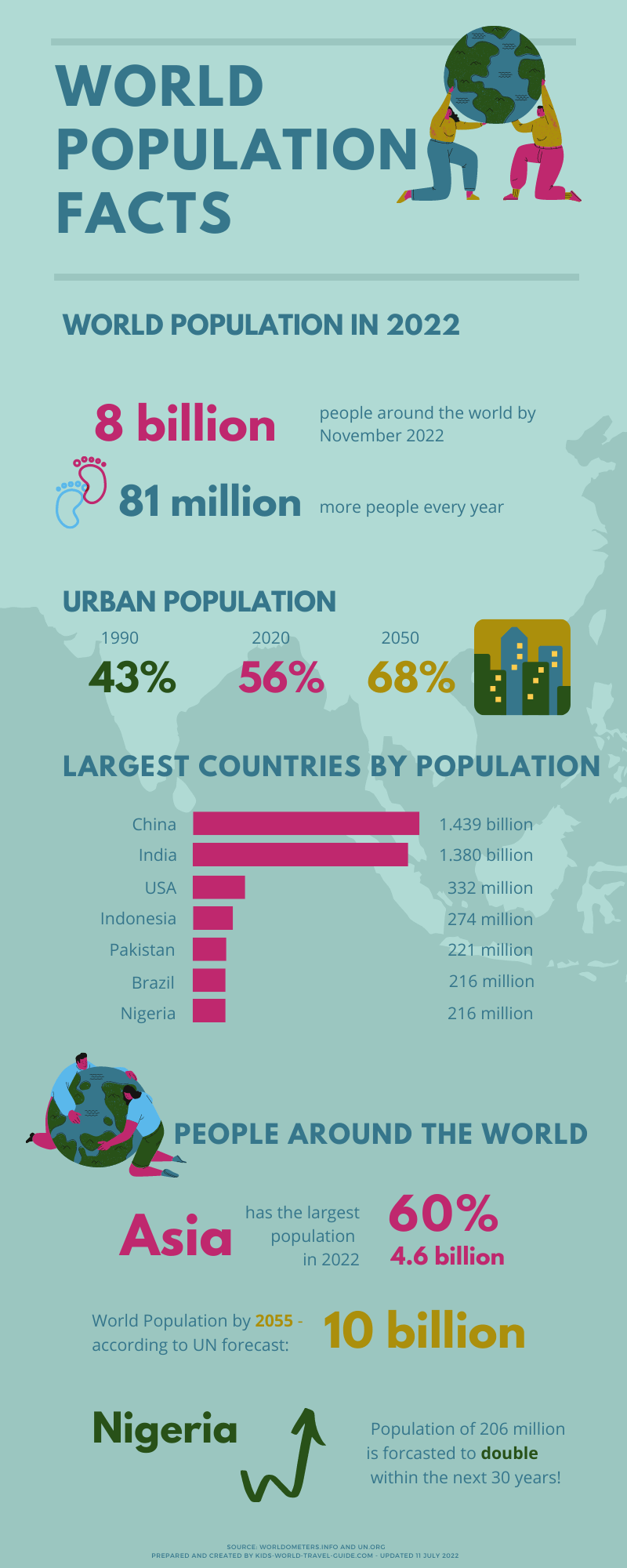
The power of population images lies in their ability to transform complex demographic data into visual narratives that are both engaging and informative. By carefully selecting colors, styles, and layouts, you can create impactful designs that resonate with your audience. Whether for professional projects or personal expressions, leveraging these visuals can significantly enhance the effectiveness of your communication.
As you explore the world of population images, keep in mind the importance of clarity, relevance, and emotional resonance. These elements will not only improve your designs but also make them memorable and impactful.