
Urban environments are shaped not only by their architecture but also by the number of people living within them. Population density plays a crucial role in urban planning, affecting everything from infrastructure to public services. In this visual guide, we delve into the impact of population density on urban planning, offering insights into how it influences design, the atmosphere of neighborhoods, and even the types of wallpapers or visual designs that can be complementary to high-density areas.
The Relationship Between Population Density and Urban Design
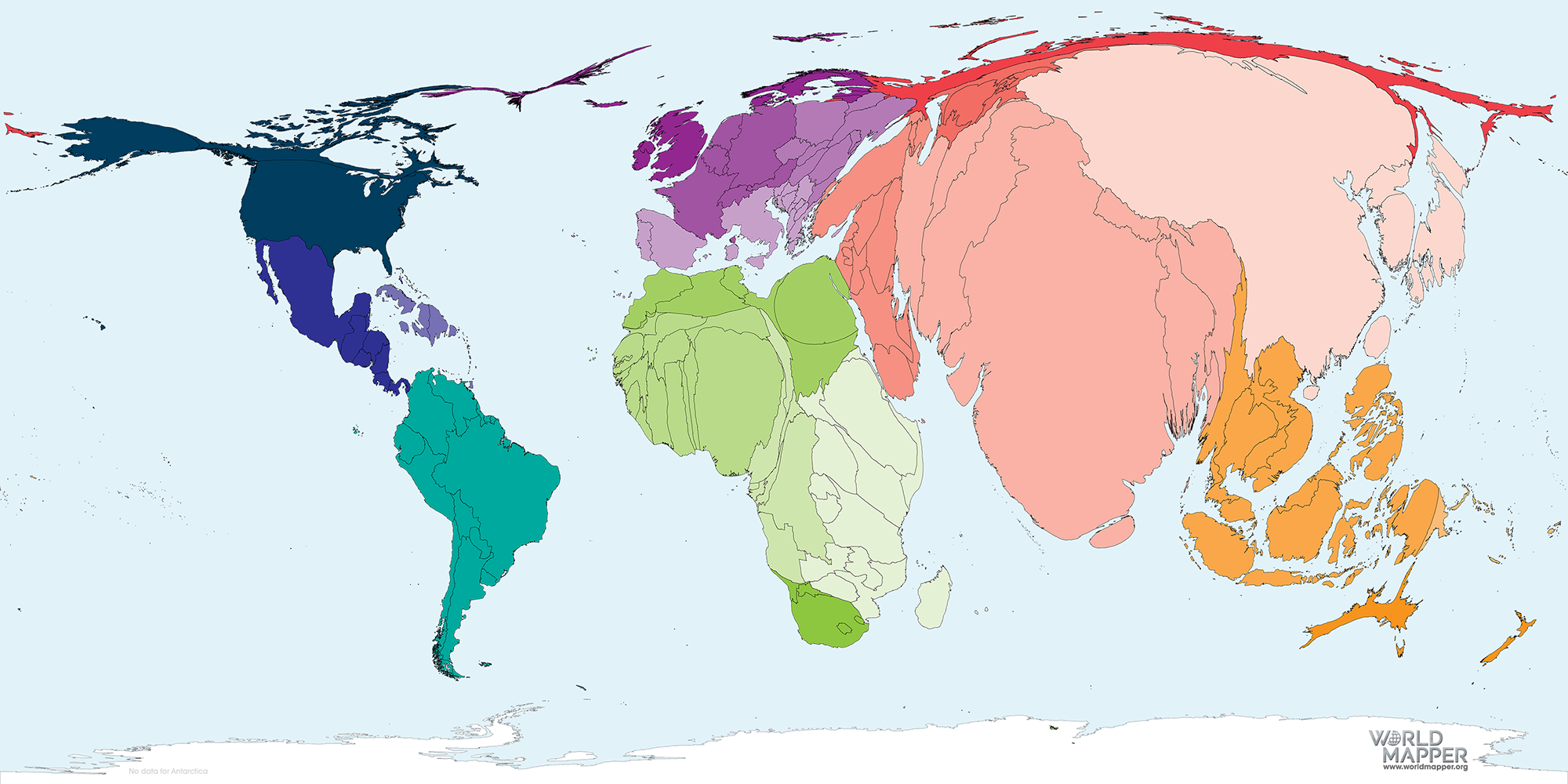
Population density refers to the number of people living per unit area, typically measured in people per square kilometer or mile. High population density can lead to vibrant, bustling neighborhoods filled with energy and activity, but it can also create challenges such as overcrowding and resource strain. In urban planning, understanding these dynamics is essential for creating spaces that meet the needs of residents while maintaining aesthetic appeal.
Designing for high-density areas often requires innovative solutions that maximize space and functionality. This includes incorporating mixed-use developments, where residential, commercial, and recreational spaces coexist harmoniously. Such designs not only enhance the livability of urban centers but also influence the visual landscape, paving the way for unique wallpaper and design inspirations that reflect the character of these bustling environments.
Visual Aesthetics and Population Density
The aesthetics of urban areas can greatly influence the experience of residents and visitors alike. In high-density regions, the visual appeal becomes vital as it contributes to the overall atmosphere. Urban planners and designers often look to incorporate elements that enhance the beauty of the space while considering the practicalities of high population.
For instance, murals, green walls, and artistic installations can transform stark concrete buildings into vibrant visual statements. Wallpapers and decorative elements that reflect the local culture or nature can create a sense of identity and belonging for residents. When selecting wallpapers for urban spaces, consider styles that encapsulate the energy of the area. Patterns that mimic urban life—like cityscapes or abstract interpretations of bustling streets—can be particularly effective.
Choosing the Right Wallpaper for High-Density Areas
When it comes to selecting wallpaper for urban settings, especially in densely populated areas, it’s important to focus on designs that are not only visually appealing but also functional. Here are some tips to consider:
- Opt for durable materials: In high-traffic areas, selecting wallpapers made from durable materials can ensure longevity and ease of maintenance.
- Focus on color schemes: Bright and vibrant colors can enhance the mood of a space, while neutral tones can create a calming atmosphere amidst the hustle of urban life.
- Consider your surroundings: Choose wallpapers that reflect the architectural style or cultural heritage of the area, allowing for a seamless blend between the interior and exterior.
- Incorporate textures: Textured wallpapers can add depth to a room, making it feel more inviting and less sterile, which is often a concern in high-density living.
The Role of Public Spaces in High-Density Urban Areas
Public spaces play a pivotal role in urban areas, especially those with high population density. Parks, plazas, and community centers serve as vital lungs for cities, providing residents with a place to gather, relax, and engage with their community. Thoughtfully designed public spaces can alleviate some of the pressures that come with high density, offering respite from the crowded environment.
Incorporating elements like greenery, seating areas, and art can enhance these spaces. A well-designed public area can inspire similar themes in interior design, including wallpaper choices. For example, designs that evoke nature or community can create a sense of connectedness, mirroring the essence of bustling outdoor spaces.
Trends in Urban Planning and Wallpaper Design
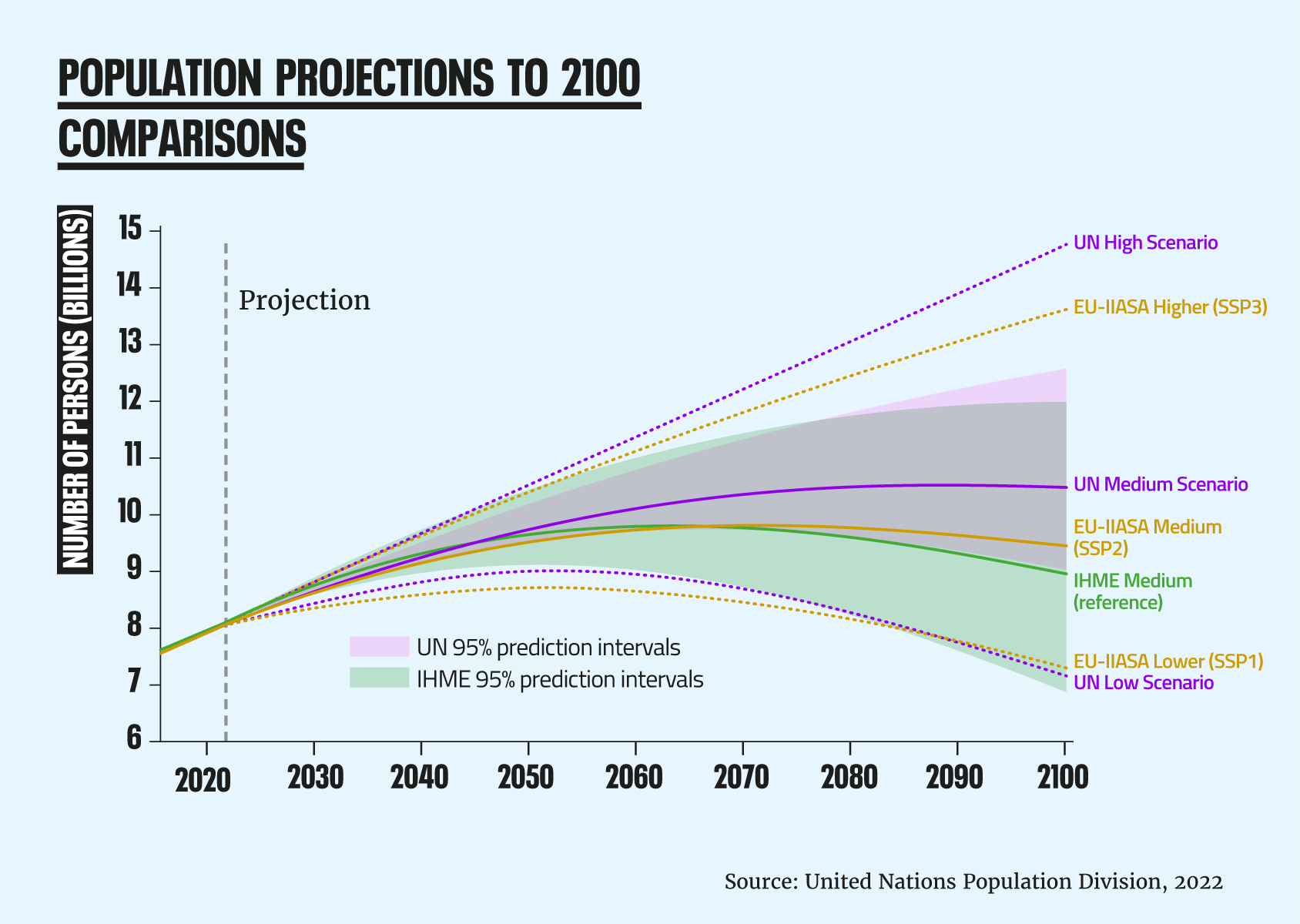
As cities continue to evolve, so do the trends in urban planning and interior design. Some current trends include:
- Sustainable design: Eco-friendly materials and designs are becoming increasingly popular in both urban planning and wallpaper choices. Look for wallpapers made from recycled materials or those that promote sustainable practices.
- Smart city concepts: Integrating technology into urban planning is on the rise. This could reflect in wallpaper designs through smart patterns and interactive features that engage residents.
- Biophilic design: Bringing nature indoors is a key trend, and wallpapers featuring botanical prints or natural landscapes can help reinforce this connection.
Final Thoughts on Urban Planning and Visual Design

Understanding the impact of population density on urban planning opens up new avenues for creativity in both architecture and interior design. By considering the nuances of high-density living, designers can create spaces that are not only functional but also visually compelling. This interplay between urban planning and design aesthetics ultimately shapes the way residents interact with their environment, making it essential to embrace innovative approaches in both fields.
As you explore wallpaper and design choices for urban spaces, remember that the goal is to enhance the living experience while maintaining a connection to the vibrant life outside your walls. Whether you’re redesigning your home or planning a public space, let the spirit of your urban environment guide your choices for a truly cohesive aesthetic experience.