
In recent years, falafel has transcended its origins as a simple street food to become a global sensation. The humble chickpea ball, deep-fried to golden perfection, is not just a culinary delight but also a visual feast. Capturing the essence of falafel through photography is an art that can elevate your social media presence, tickle your taste buds, and inspire delicious cravings. In this article, we will delve into the various aspects of falafel, exploring its textures, flavors, and the best techniques for taking breathtaking falafel pics.
Understanding Falafel: A Culinary Journey

Falafel is traditionally made from ground chickpeas or fava beans, mixed with a medley of herbs and spices. This ancient Middle Eastern dish has roots that trace back to Egypt, where it was known as ta’ameya. Over the years, falafel has traveled across borders, with each culture adding its unique twist. Whether you’re enjoying it in a pita sandwich, on a salad, or as a part of a mezze spread, falafel is rich in flavor and boasts a satisfying crunch, making it a beloved choice for vegetarians and meat-lovers alike.
The key to a perfect falafel lies in the ingredients and preparation. Fresh herbs, such as parsley and cilantro, lend a vibrant taste, while spices like cumin and coriander add depth. The choice between chickpeas and fava beans can also alter the flavor profile, with chickpeas providing a nuttier taste and fava beans offering a creamier texture. Understanding these nuances is crucial not only for creating a delicious falafel but also for effectively capturing its beauty in pictures.
The Crunch Factor: Why Texture Matters
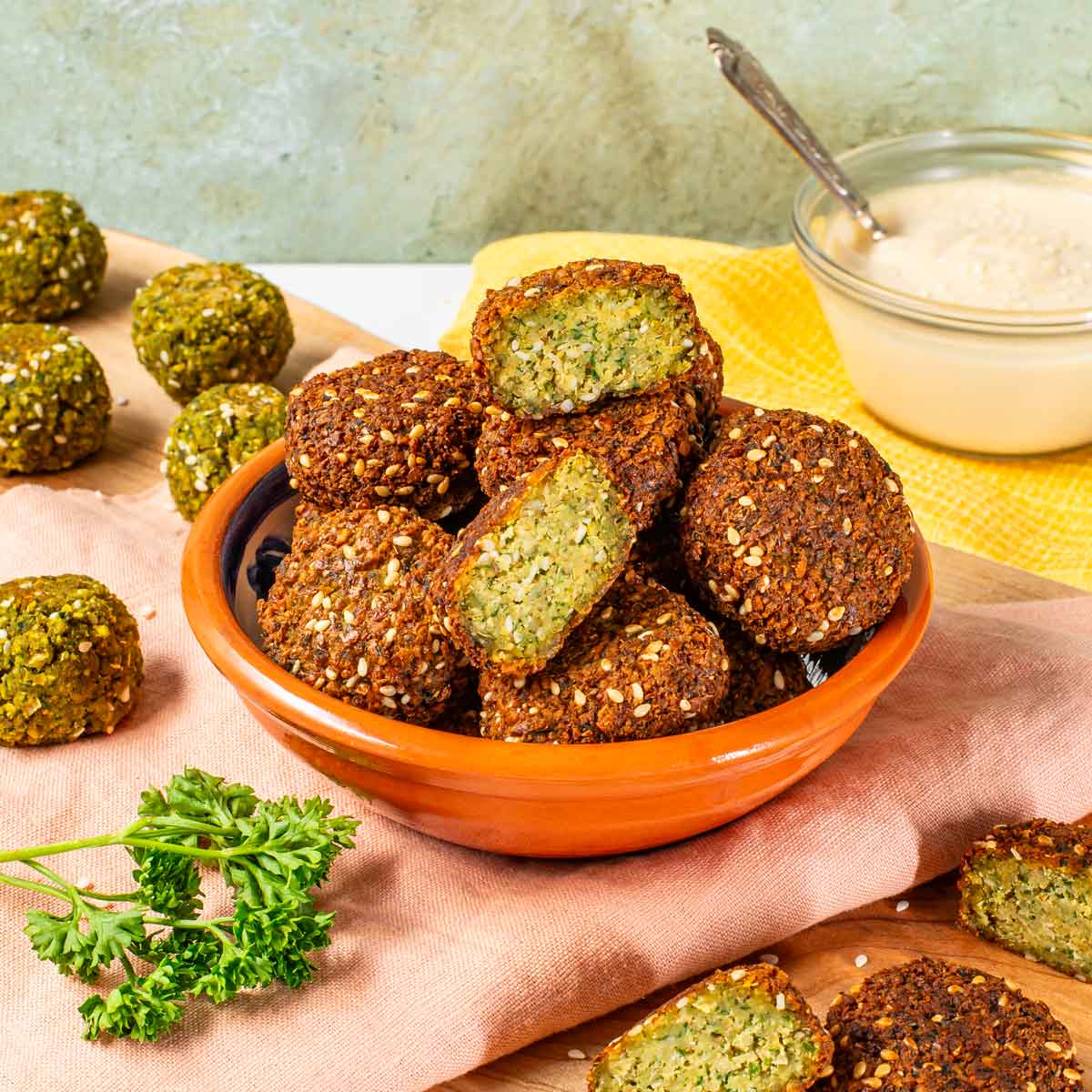
One of the most significant aspects of falafel is its texture. The contrast between the crispy exterior and the soft, warm interior is a sensory delight that can be challenging to convey through photography. To effectively showcase this crunch, consider using a few simple techniques while photographing your falafel.
- Lighting: Natural light is your best friend. Soft, diffused light will enhance the golden tones of the falafel and eliminate harsh shadows.
- Angles: Capture the falafel from various angles. A close-up shot can emphasize the texture, while a side view can showcase its height and form.
- Action shots: Freeze the moment of breaking open a falafel ball to reveal its interior. This not only highlights the crunch but also invites the viewer to imagine the taste.
Using these techniques allows you to bring out the crunch factor in your falafel pictures, making them more engaging and appetizing.
Color Palettes and Composition
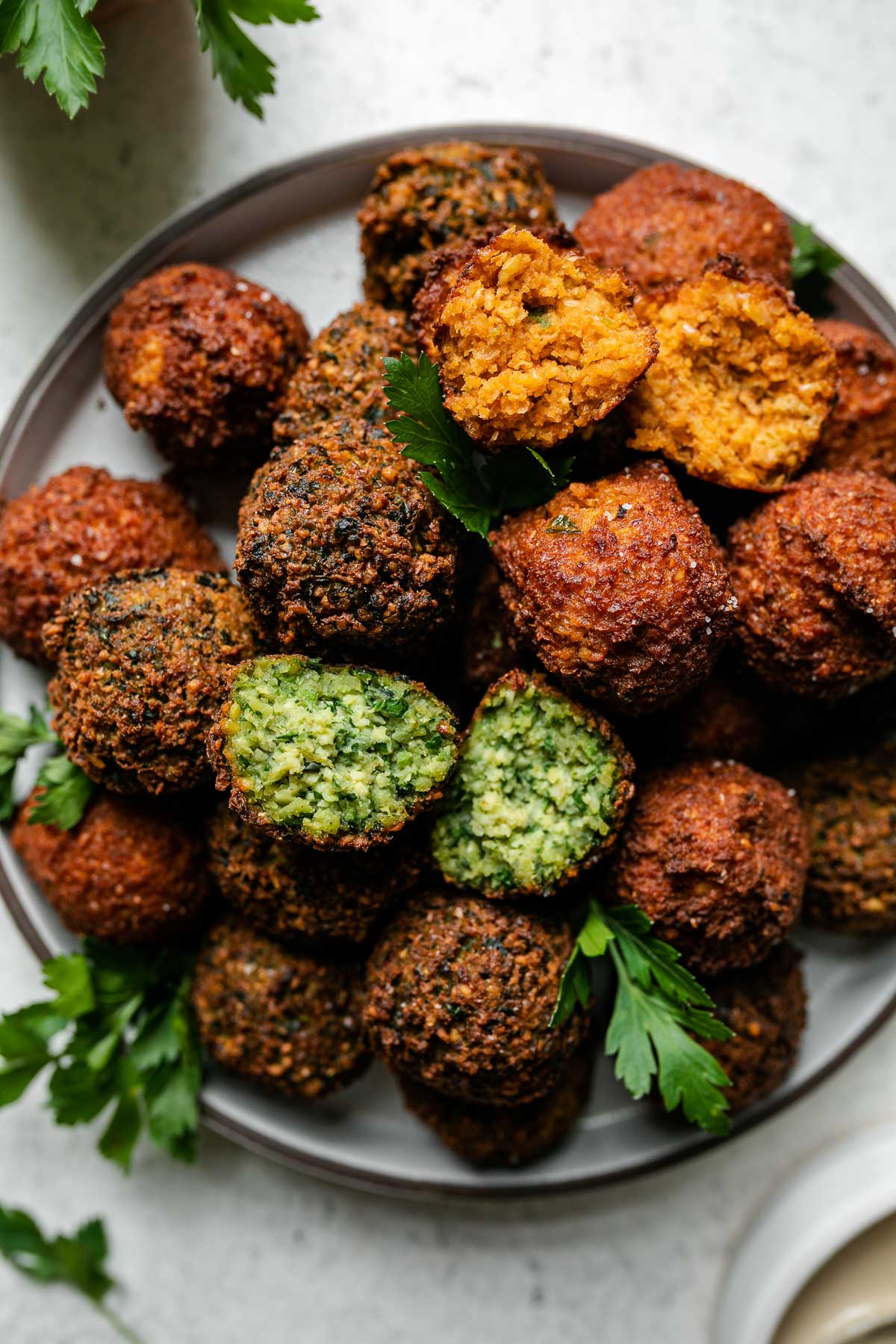
In addition to texture, color plays a crucial role in food photography. The vibrant greens of herbs, the golden hue of the fried falafel, and the bright reds of accompanying sauces create a striking palette. To enhance the visual appeal of your falafel pics, think about the background and props you use.
- Background Choices: Use contrasting colors to make your falafel pop. A rustic wooden table or a simple white plate can serve as an excellent canvas.
- Garnishes: Fresh herbs, sliced vegetables, and colorful sauces can add depth and interest to your composition.
- Textures: Incorporate different textures in your setting, such as a woven cloth or a slate board, to create a more dynamic image.
By paying attention to color and composition, you can create falafel images that are not just visually appealing but also tell a story of their culinary journey.
Tips for Capturing the Perfect Falafel Pic
To further enhance your falafel photography skills, consider these additional tips:
- Props: Use relevant props like pita bread, tahini sauces, and fresh vegetables to create a complete scene. This contextualizes the falafel and makes the image more relatable.
- Vary Your Shots: Mix wide shots with close-ups. A wide shot can show the entire dish or meal setting, while close-ups can highlight details that might be missed from afar.
- Edit with Care: Post-processing enhances images but should be done delicately. Adjust brightness, contrast, and saturation to maintain the natural look of the food.
Remember that each falafel picture is an opportunity to connect with your audience. By mastering the art of falafel photography, you can share the joy of this delicious dish with the world.
Inspiration from Around the World
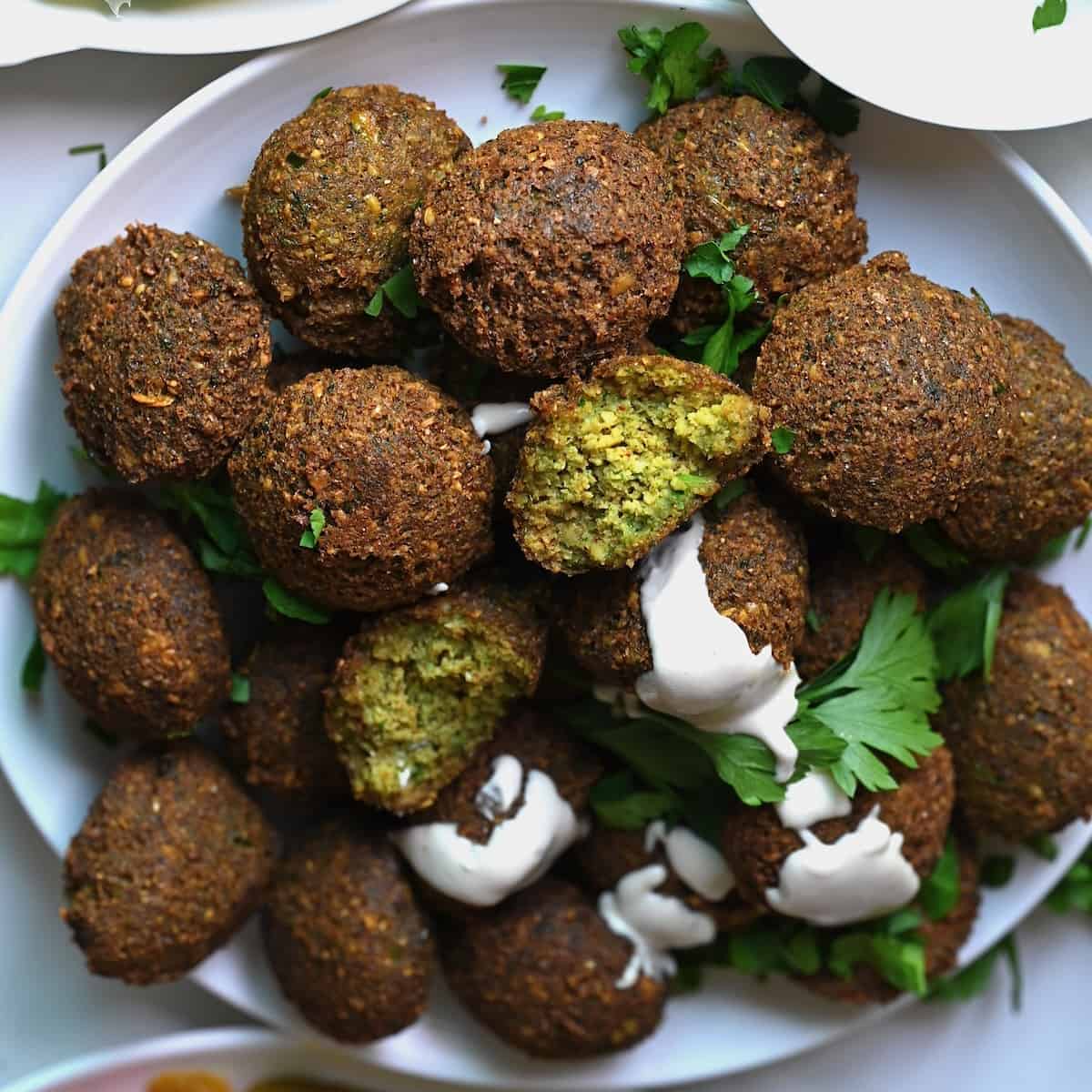
The beauty of falafel is its versatility, and this is reflected in the various ways it’s presented across different cultures. From the classic Middle Eastern wrap to unique adaptations like falafel burgers or bowls, the possibilities are endless. Explore international variations to gather inspiration for your own falafel pics.
Consider trying the following styles:
- Israeli Falafel: Typically served in a pita with a plethora of salads and sauces, giving a colorful presentation.
- Egyptian Ta’ameya: Made with fava beans and often garnished with fresh herbs, providing a different flavor profile.
- Vegan Bowls: Combine falafel with grains, fresh vegetables, and creamy tahini for a wholesome, photogenic meal.
Drawing from these global interpretations can spark creativity in your own falafel presentations and enhance your photography.
In the end, the art of falafel is not just about mastering the recipe but also about capturing its essence through visual storytelling. With the right techniques and a keen eye, you can create mouthwatering images that do justice to this beloved dish.