
Buckwheat is an incredibly nutritious grain-like seed that has been a staple in many diets around the world. Despite its name, buckwheat is not related to wheat and is gluten-free, making it an excellent option for those with gluten intolerance. Cooking buckwheat can seem daunting at first, but with the right techniques and a bit of guidance, you can easily master this healthy food. In this guide, we will walk you through the process of cooking buckwheat step by step, complete with pictures to help illustrate each stage.
Understanding Buckwheat
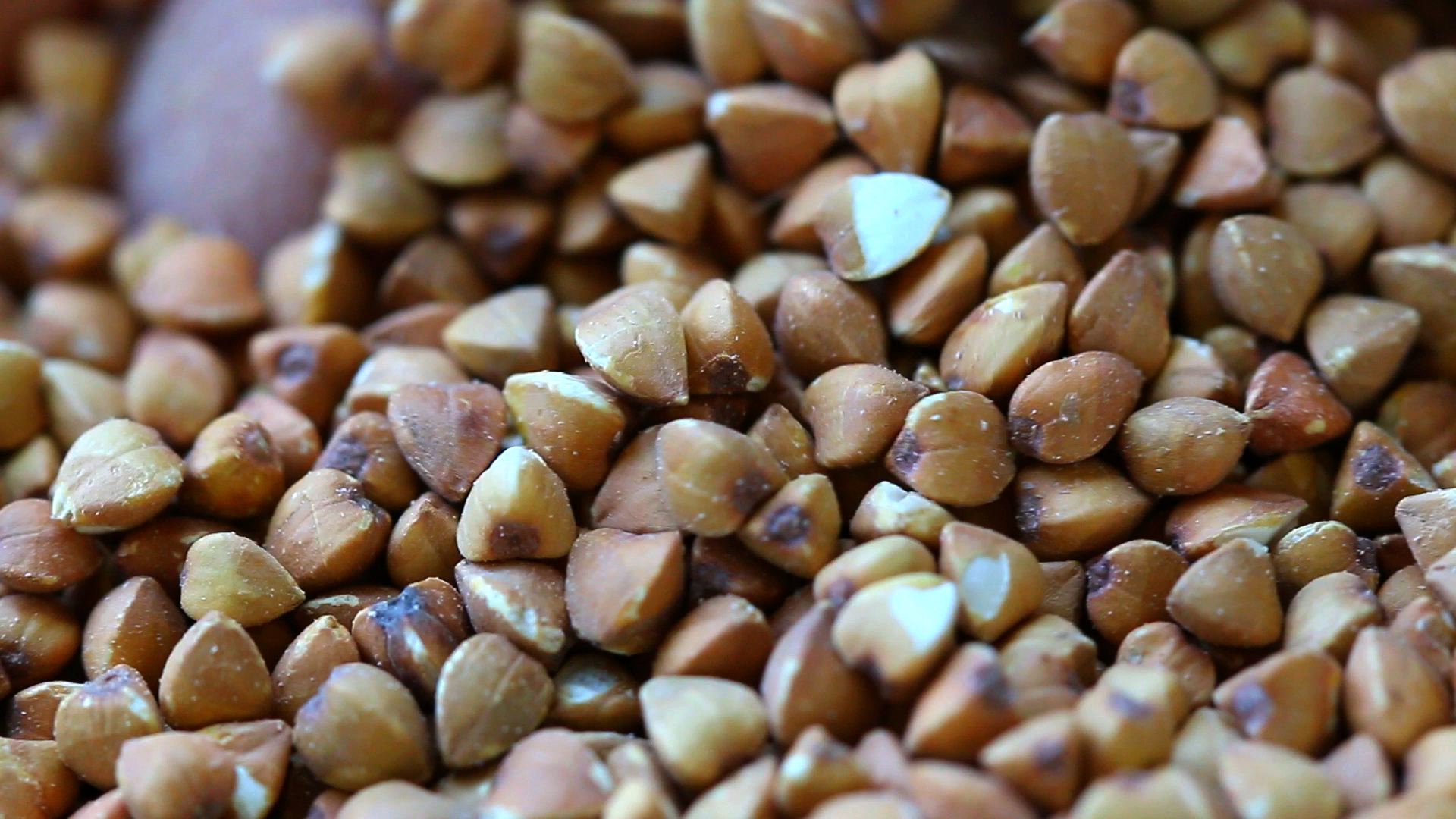
Before we dive into the cooking process, it’s essential to understand what buckwheat is and why you should include it in your diet. Buckwheat is a whole grain that is high in protein, fiber, and essential nutrients such as magnesium and manganese. It has a nutty flavor and a slightly chewy texture, making it a versatile ingredient that can be used in a variety of dishes, from salads to porridge. Additionally, buckwheat is rich in antioxidants, which can help protect your body from free radicals.
Ingredients You Will Need

To cook buckwheat, you’ll need the following ingredients:
- 1 cup of buckwheat groats
- 2 cups of water or broth (for added flavor)
- Salt to taste
- Optional: butter or olive oil for added richness
These ingredients will make about 2 servings of cooked buckwheat, which can be adjusted depending on your needs.
Step 1: Rinse the Buckwheat
The first step in cooking buckwheat is to rinse the groats thoroughly under cold water. This step helps to remove any dust or impurities and can enhance the flavor of the buckwheat. Place the buckwheat in a fine-mesh strainer and rinse until the water runs clear.
Step 2: Toasting the Buckwheat (Optional)
If you’re looking to enhance the nutty flavor of the buckwheat, consider toasting it before cooking. To do this, heat a dry skillet over medium heat and add the rinsed buckwheat. Stir frequently for about 5-7 minutes until the groats are lightly golden and fragrant. This step is optional but recommended for a deeper flavor profile.
Step 3: Cooking the Buckwheat
Now it’s time to cook the buckwheat. In a medium saucepan, combine the rinsed (and optionally toasted) buckwheat with 2 cups of water or broth. Bring the mixture to a boil over high heat. Once boiling, reduce the heat to low, cover the saucepan, and let it simmer for about 15-20 minutes. It’s essential to avoid removing the lid during cooking, as this can interrupt the steaming process.
Step 4: Let It Sit
After the buckwheat has absorbed all the liquid, remove the saucepan from the heat. Keep the lid on and let it sit for an additional 5 minutes. This resting period allows the buckwheat to finish cooking and results in a fluffier texture.
Step 5: Fluff and Serve
Once the resting time is complete, remove the lid and fluff the buckwheat with a fork. If desired, you can stir in a little butter or olive oil for added richness. Season with salt to taste. Your cooked buckwheat is now ready to be served!
Serving Suggestions
Cooked buckwheat can be served in various ways. Here are a few ideas:
- As a base for salads: Mix cooked buckwheat with your favorite vegetables, dressing, and protein for a satisfying meal.
- In soups: Add cooked buckwheat to soups and stews for additional heartiness.
- As breakfast porridge: Serve it warm with milk, honey, and fruits for a nutritious breakfast option.
- As a side dish: Serve buckwheat as a side, similar to rice or quinoa, paired with roasted vegetables or grilled meats.
Storing Leftover Buckwheat
/natural-organic-buckwheat-cereal--boiled-buckwheat-porridge-618654612-5a94b5cafa6bcc00374b6b9f.jpg)
If you have leftover cooked buckwheat, store it in an airtight container in the refrigerator for up to 5 days. You can also freeze it for longer storage; just portion it into freezer-safe bags and store it for up to 3 months. To reheat, simply add a little water and heat in the microwave or on the stovetop until warmed through.
Health Benefits of Buckwheat

Incorporating buckwheat into your diet offers numerous health benefits. As a gluten-free option, it’s suitable for those with celiac disease or gluten sensitivity. Its high fiber content supports digestive health and can aid in maintaining a healthy weight. Additionally, the antioxidants found in buckwheat help to reduce inflammation and may lower the risk of chronic diseases.
Final Thoughts
Cooking buckwheat is a straightforward process that can add a nutritious and delicious component to your meals. With its versatility, you can easily include it in various dishes, making it a fantastic addition to your pantry. Whether you’re enjoying it as a side dish, in salads, or as a breakfast option, buckwheat is sure to satisfy.