
Capturing the magic of an event requires more than just pointing and shooting. Behind every stunning event-planning photo lies a combination of skill, technique, and an eye for detail. Whether you’re a professional photographer or an enthusiastic amateur, understanding the nuances of event photography can elevate your images to the next level. In this article, we’ll explore practical tips and insights to help you take breathtaking event-planning photos that resonate with your audience and tell a compelling story.
Understanding Your Subject
Before diving into the technical aspects, it’s crucial to understand what you’re photographing. Each event has its unique atmosphere, theme, and purpose. Take a moment to analyze the setting, the people involved, and the emotions they are experiencing. This understanding will guide your approach and help you capture moments that truly reflect the essence of the event.
For weddings, for instance, the focus may be on intimate moments between the couple and their loved ones, while corporate events might highlight networking interactions and brand engagement. Identifying these focal points will enable you to frame your shots more effectively and tell a cohesive story through your images.
Preparation is Key
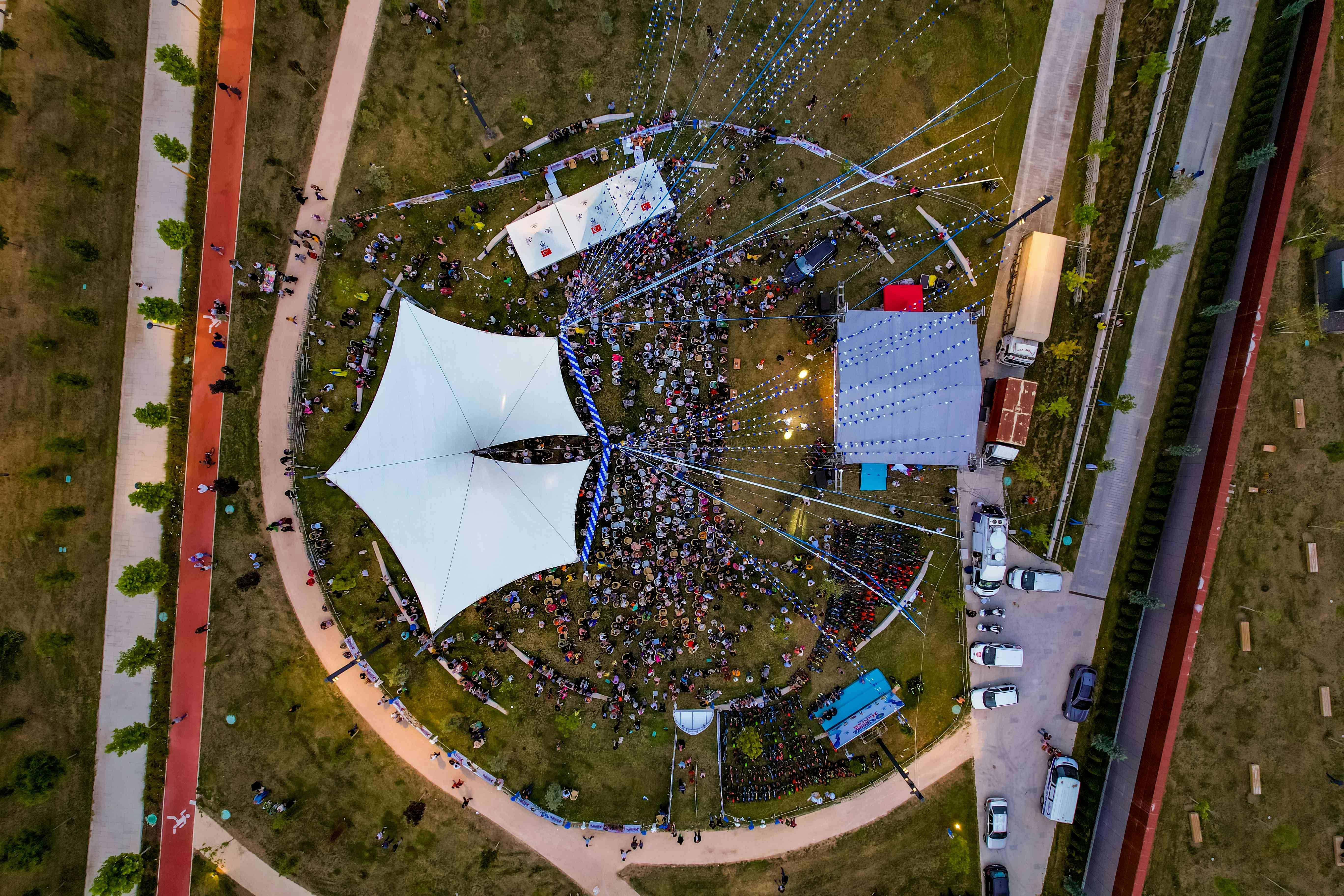
One of the most critical aspects of successful event photography is preparation. Familiarize yourself with the event’s schedule, venue, and lighting conditions ahead of time. If possible, visit the venue before the event to scout locations and plan your shots. Understanding the layout will help you anticipate key moments and capture them seamlessly.
Additionally, consider your gear. A versatile camera with a fast lens can significantly enhance your ability to capture clear images in low light, which is often the case in event settings. Don’t forget to bring extra batteries, memory cards, and backup equipment to avoid potential mishaps.
Mastering Composition Techniques
Composition plays a pivotal role in the quality of your event-planning images. Utilizing the rule of thirds, leading lines, and framing techniques can help you create visually appealing photographs. The rule of thirds involves dividing your frame into a 3×3 grid and placing your subject along these lines or at their intersections, creating a more dynamic composition.
Incorporate leading lines to guide the viewer’s eye toward your subject. This technique is particularly effective in event photography, as it can highlight important elements, such as a speaker at a podium or the couple exchanging vows. Additionally, use framing elements, such as doorways, arches, or decorations, to add depth to your images and create a visually interesting context.
Capturing Candid Moments

While posed shots have their place, candid moments often capture the true spirit of an event. Stay alert and ready to shoot at a moment’s notice. Candid photography requires patience and observation; watch for interactions, laughter, and genuine emotions. Use a longer lens to maintain distance while still being able to capture intimate moments without intruding.
Encourage guests to interact naturally by engaging with them and making them feel comfortable. The more at ease your subjects are, the more likely you are to capture authentic expressions and spontaneous moments that enhance the overall narrative of your images.
Utilizing Lighting to Your Advantage
Lighting can make or break your event photos. Natural light is often the most flattering, so when possible, position yourself to take advantage of it. If you’re shooting indoors, look for windows or other sources of light that can illuminate your subjects beautifully.
In low-light situations, such as evening receptions or parties, consider using a flash or external lighting sources. However, be mindful of how harsh lighting can affect your images. Softening your flash with a diffuser or bouncing it off a wall can create more pleasing results. Experiment with different lighting setups to find what works best for the environment you’re in.
Post-Processing for Enhanced Results

Editing is an essential part of the photography process. After the event, spend time reviewing and selecting your best images. Use post-processing software to enhance colors, adjust exposure, or crop images for better composition. However, aim for natural-looking results; over-editing can detract from the authenticity of your photos.
Consider creating a consistent editing style that reflects your brand and resonates with your audience. This not only creates cohesion in your portfolio but also helps establish your identity as a photographer. Remember, the goal is to enhance the beauty of your images while maintaining the integrity of the moment.
Building Your Portfolio
Your collection of event-planning images serves as a testament to your skills and creativity. Curate your portfolio to showcase a diverse range of events, styles, and moments. Include both candid and posed shots, as well as various lighting situations and environments. A well-rounded portfolio can help attract potential clients and demonstrate your versatility as a photographer.
Don’t forget to share your work on social media and professional networks. Engage with your audience by sharing behind-the-scenes shots and stories about the events you cover. This personal touch not only builds a connection with your followers but also showcases your passion for event photography.
Learning from Feedback

Finally, be open to feedback from clients and peers. Constructive criticism can provide valuable insights into your work and help you identify areas for improvement. Attend workshops, join photography groups, or seek mentorship opportunities to continue developing your skills and staying informed about industry trends.
By consistently learning and adapting, you can refine your craft and elevate your event-planning photography to new heights. Remember that every event is an opportunity to capture beautiful moments that can be cherished forever.