
Buckwheat is a unique crop that has gained popularity due to its numerous benefits, both for the soil and for health. Not only is it a fast-growing grain, but it’s also gluten-free and rich in nutrients. If you’re considering adding buckwheat to your garden, this photo tutorial will guide you through the entire process of growing this remarkable plant, from seed to harvest.
Understanding Buckwheat
Before you begin growing buckwheat, it’s essential to understand what this plant is and why it might be beneficial for your garden. Buckwheat (Fagopyrum esculentum) is not a cereal grain but rather a pseudo-grain, meaning it belongs to a different botanical family than traditional grains like wheat or rice. It thrives in a variety of soil types and conditions, making it an excellent choice for both novice and experienced gardeners.
One of the main benefits of growing buckwheat is its ability to improve soil health. The plant’s dense root system helps to break up compacted soil, while the flowers attract beneficial pollinators. Additionally, buckwheat is known for its ability to suppress weeds, reducing the need for herbicides. This makes it not only a smart choice for crop rotation but also for organic gardeners.
Preparing to Grow Buckwheat
Before planting, you need to prepare your garden bed. Choose a location that receives full sun for the best results. Buckwheat grows well in various soil types, but it prefers well-draining soil with a pH level between 6.0 and 7.5. To enhance your soil, consider adding organic matter such as compost.
Once the soil is prepared, you can choose to plant buckwheat seeds directly or start them indoors. If you decide to start them indoors, make sure to transplant them to your garden after the last frost. Buckwheat can be sown in late spring or early summer, depending on your local climate.
Planting Buckwheat Seeds

When planting buckwheat seeds, aim for a depth of about 1-2 inches. Space the seeds approximately 4-6 inches apart and cover them lightly with soil. Water the area gently to ensure good seed-to-soil contact. Buckwheat seeds germinate quickly, typically within 7-14 days, so you should see sprouts emerging soon.
During the growing season, it’s essential to keep the area weed-free. While buckwheat can suppress weeds, young plants may need some help until they establish themselves. Regularly check for weeds and remove them by hand if necessary.
Caring for Buckwheat Plants
Buckwheat requires minimal care once established. Water the plants during dry spells, especially when they are young. Fertilization is generally not necessary, as buckwheat thrives in poor soil conditions. However, if your soil is particularly depleted, a light application of organic fertilizer can encourage better growth.
Watch for pests, such as aphids, which can sometimes infest buckwheat plants. If you notice any signs of infestation, consider using insecticidal soap or introducing beneficial insects, like ladybugs, to help control the problem.
Harvesting Buckwheat
/natural-organic-buckwheat-cereal--boiled-buckwheat-porridge-618654612-5a94b5cafa6bcc00374b6b9f.jpg)
Harvesting buckwheat is an exciting time in the growing process. Buckwheat is typically ready to harvest around 10-12 weeks after planting, when the seeds turn dark brown and the flowers have fallen off. To harvest, cut the plants at the base and tie them into small bundles.
Allow the bundles to dry in a warm, well-ventilated area for a few days. Once dry, you can thresh the seeds by rubbing the seed heads between your hands or using a small threshing device. Collect the seeds and store them in a cool, dry place until you’re ready to use them.
Using Buckwheat in Your Garden and Diet
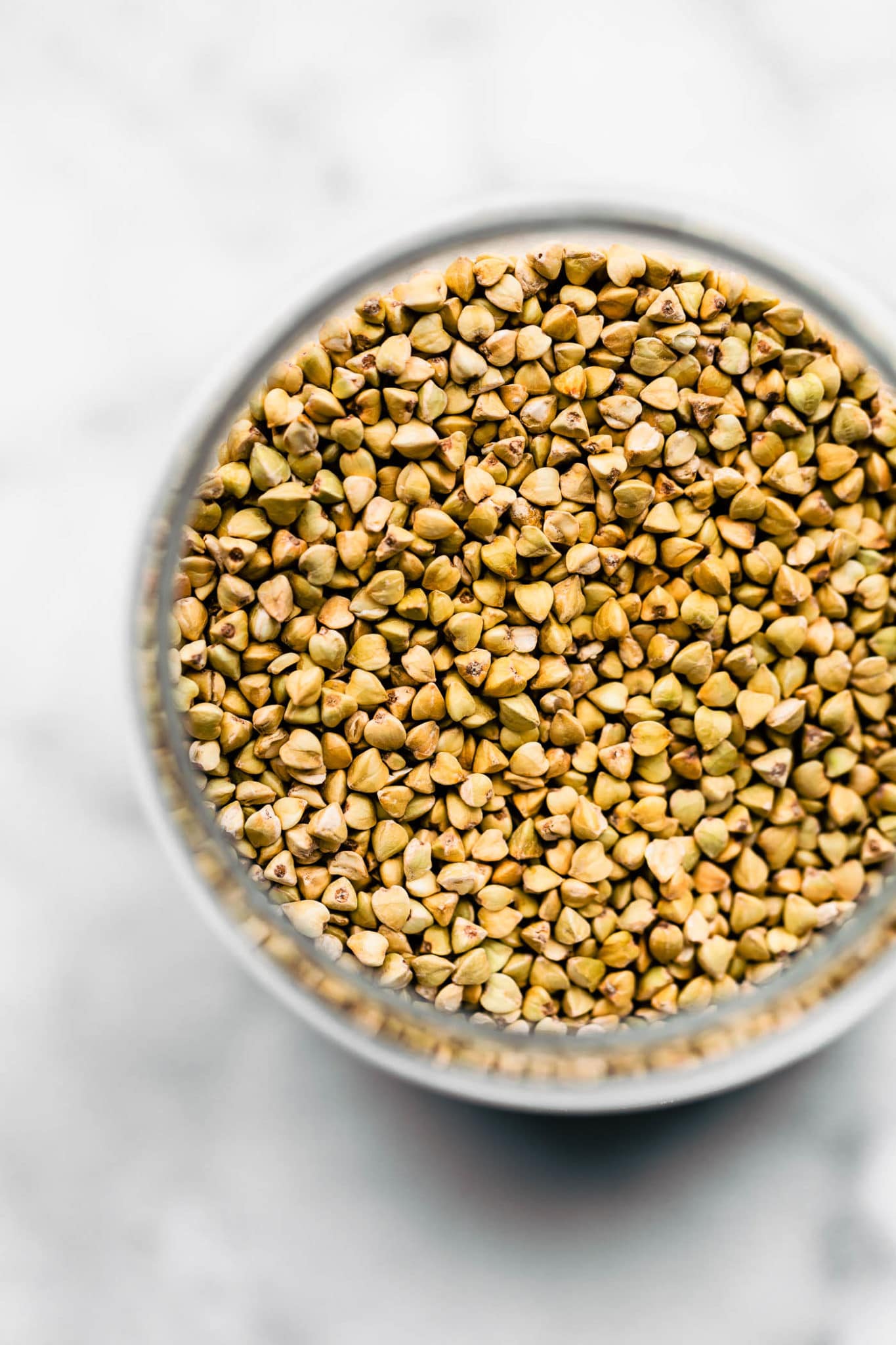
Buckwheat is versatile not only in the garden but also in your diet. The seeds can be ground into flour, used in salads, or cooked as a grain. Buckwheat groats, the hulled seeds, are particularly popular for their nutty flavor and are an excellent gluten-free alternative to rice or quinoa.
In your garden, buckwheat can be used as a cover crop to improve soil structure and fertility. Its rapid growth means it can be planted in between other crops, helping to maximize your garden space while providing benefits to the soil.
Design Inspiration for Buckwheat Gardens

Incorporating buckwheat into your garden design can be a beautiful and functional choice. The white flowers of buckwheat create a stunning visual impact, especially when planted in large patches. Consider combining buckwheat with other flowering plants to create a vibrant, pollinator-friendly space.
Additionally, the rustic look of buckwheat can complement a variety of garden styles. From cottage gardens to modern landscapes, buckwheat can be a delightful addition. Use it to create borders, fill empty spaces, or even as part of a layered planting scheme with taller plants behind and shorter plants in front.
When choosing companion plants for buckwheat, consider those that thrive in similar conditions. Sunflowers, zinnias, and cosmos can create a colorful backdrop while also attracting beneficial insects.
Final Thoughts
Growing buckwheat is an enriching experience that provides numerous benefits for both your garden and your health. With its easy-care nature and rapid growth, it’s an excellent choice for gardeners of all skill levels. By following this photo tutorial, you can successfully cultivate buckwheat in your garden and enjoy its many uses.
Whether you’re looking to enhance your soil, attract pollinators, or add a nutritious crop to your diet, buckwheat is a fantastic option. Start your buckwheat journey today and reap the rewards of this remarkable plant.