
Falafel is a culinary delight that has gained immense popularity around the globe, particularly among vegetarians and health-conscious eaters. This delicious and versatile dish is made primarily from ground chickpeas or fava beans, combined with a variety of spices and herbs that create a burst of flavor. In this article, we delve into the colorful creations that homemade falafel offers, exploring its beauty not just in taste but also in presentation and inspiration for meal preparation.
The Origins of Falafel
The exact origins of falafel are somewhat disputed, with several countries including Israel, Egypt, and Lebanon claiming it as their own. However, what remains undeniable is that falafel represents a rich culinary tradition that has stood the test of time. Traditionally served in pita bread or as part of a meze platter, falafel has evolved into a beloved dish that can be found in restaurants and homes worldwide.
What sets homemade falafel apart is the potential for creativity. By experimenting with various spices and herbs, you can create a unique flavor profile that reflects your personal taste. Common ingredients in falafel include cumin, coriander, garlic, and parsley, but the possibilities are endless.
Choosing the Right Ingredients
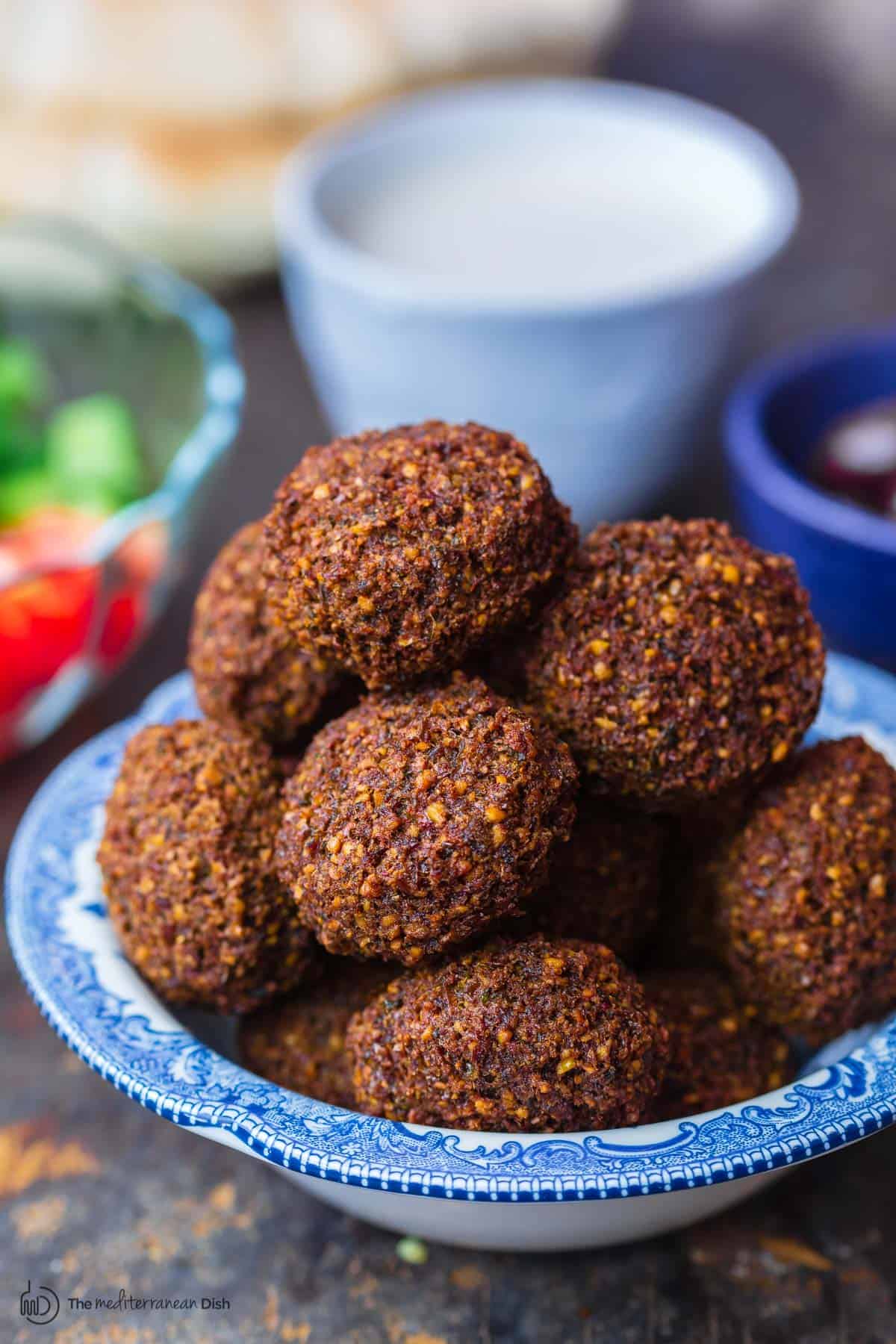
When making falafel at home, the quality of your ingredients can significantly impact the final product. Here are some tips to consider:
- Beans: While chickpeas are the most common base, fava beans also make an excellent choice. Some recipes even combine both for an extra depth of flavor.
- Herbs and Spices: Fresh herbs like parsley and cilantro add vibrancy and freshness. Don’t shy away from spices; they are what make your falafel stand out.
- Binding Agents: Some recipes use flour or breadcrumbs as a binding agent, while others rely solely on the starch from the beans.
Being mindful of these ingredients will not only enhance the flavor of your falafel but also contribute to its overall aesthetic appeal.
The Art of Cooking Falafel

Homemade falafel can be deep-fried, baked, or air-fried, depending on your preference for cooking methods. Each method provides a different texture and taste:
- Deep-Frying: Produces crispy and golden falafel, with a soft interior. The oil enhances the flavors of the spices.
- Baking: A healthier alternative that still yields delicious results, though the texture may be less crispy.
- Air-Frying: Offers a balance between health and taste, giving you that crispy exterior without the excess oil.
Regardless of your cooking method, the goal is to achieve a golden-brown exterior that is irresistible to the eye and mouth!
Colorful Serving Suggestions

Presentation plays a crucial role in the enjoyment of homemade falafel. Here are some colorful serving suggestions that will elevate your dish:
- Pita Pockets: Stuff your falafel into warm pita bread alongside fresh vegetables such as cucumbers, tomatoes, and red onion. Add a drizzle of tahini sauce or a sprinkle of pickled vegetables for a pop of color.
- Falafel Bowls: Create a beautiful grain bowl with quinoa or couscous as a base. Add vibrant vegetables like roasted beetroot, shredded carrots, and leafy greens for a healthful and striking dish.
- Meze Platter: Arrange your falafel alongside hummus, baba ganoush, olives, and assorted dips for a colorful and shareable appetizer.
These serving ideas not only enhance the visual appeal of your meal but also create a well-rounded dining experience.
Incorporating Falafel into Your Diet
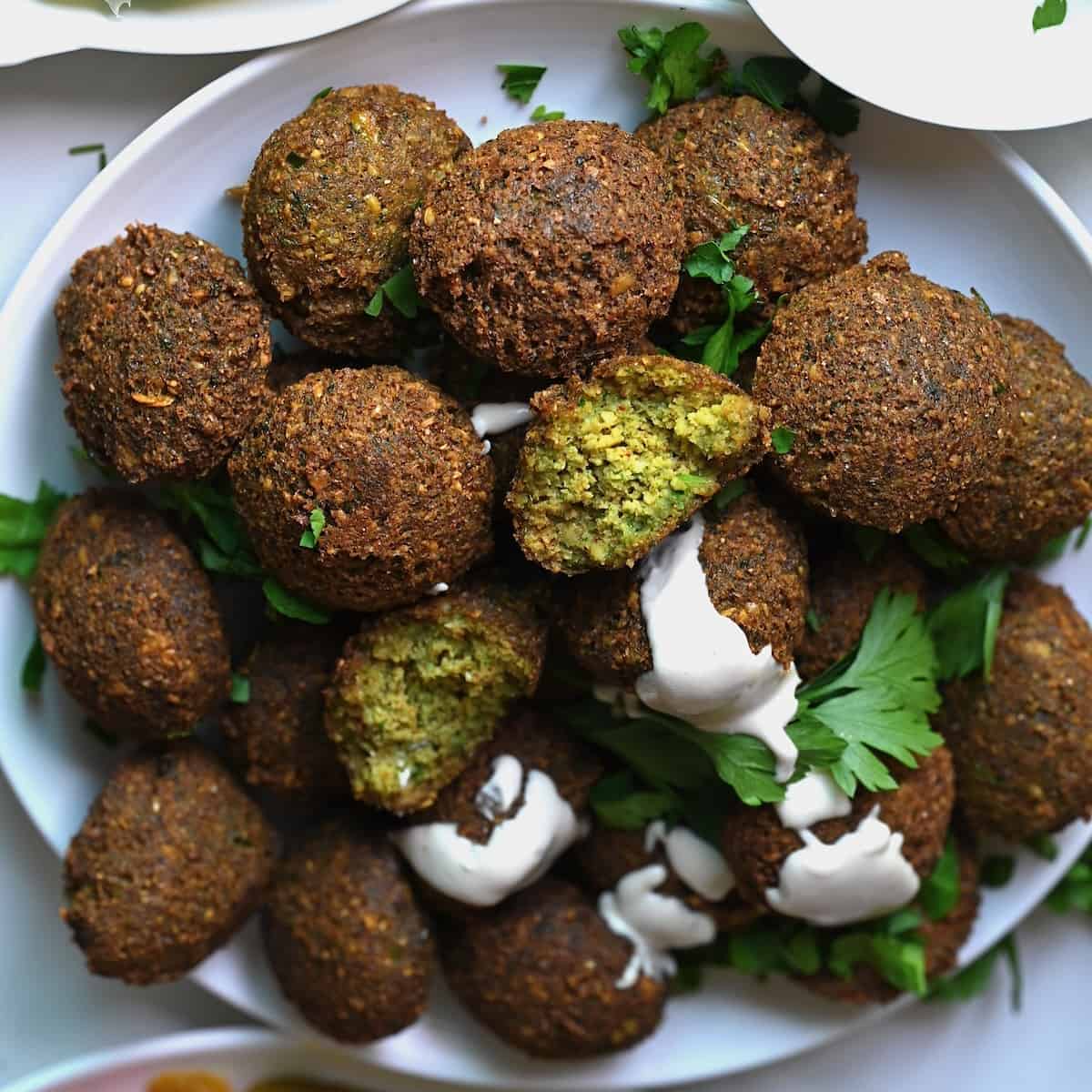
The versatility of falafel allows it to be incorporated into various meals throughout the day. Consider these ideas:
- Breakfast: Crumble falafel over a bed of greens with poached eggs and a light vinaigrette for a hearty breakfast.
- Lunch: Make a falafel wrap with fresh vegetables and sauces for an easy-to-eat lunch option.
- Dinner: Pair falafel with a side of tabbouleh or a mixed vegetable stir-fry for a fulfilling dinner.
This adaptability makes falafel an excellent choice for anyone looking to introduce more plant-based meals into their diet.
Connecting with the Community
One of the joys of making falafel at home is sharing the experience with others. Gather your friends or family for a falafel-making night where everyone can participate in the process. Not only does this promote bonding, but it also allows for the exchange of creative ideas and recipes.
Inspiration can come from various regions and traditions, so don’t hesitate to explore global cuisines. Experiment with different herbs, spices, and serving styles to create your unique twist on this beloved dish.
Homemade falafel is more than just a meal; it’s a celebration of flavor, color, and culture. Embrace the beauty of this vibrant dish, and let each bite take you on a culinary journey filled with creativity and joy.