
In the world of event planning, visuals play a critical role in communicating ideas, emotions, and the overall essence of an event. Event-planning images serve as more than just memories captured in time; they are powerful tools that can influence perceptions, foster engagement, and create lasting impressions. In a digital age where imagery can make or break an event’s success, understanding the importance of these images is crucial for planners, marketers, and attendees alike.
The Power of Visual Storytelling
Visual storytelling is the art of conveying messages through visual content. When it comes to event planning, images are a form of storytelling that encapsulates the emotions and experiences of an event. Whether it’s a corporate gathering, a wedding, or a festival, the right images can portray the atmosphere, highlight key moments, and provide insight into the event’s purpose.
Event-planning images allow potential attendees to visualize themselves participating in an experience. By showcasing past events through well-curated photographs, planners can effectively communicate the culture, excitement, and ambiance that their events offer. This visual narrative can significantly enhance marketing campaigns, drawing in larger audiences and creating a buzz around upcoming events.
Types of Event-Planning Images

There are several types of images that can be utilized in event planning, each serving a specific purpose:
- Promotional Images: These are designed to attract attention and generate interest. They often feature vibrant colors, engaging layouts, and essential event details.
- Behind-the-Scenes Shots: These images provide a glimpse into the planning process, showcasing the effort and creativity involved in bringing an event to life.
- Candid Moments: Capturing genuine interactions between attendees can convey the spirit of an event. These images often resonate more with viewers than posed shots.
- Detail Shots: Close-ups of decor, food, and other elements can highlight the finer points that make an event unique and memorable.
Each type of image plays a vital role in the overall presentation of an event, contributing to a comprehensive visual narrative.
Choosing the Right Style and Colors
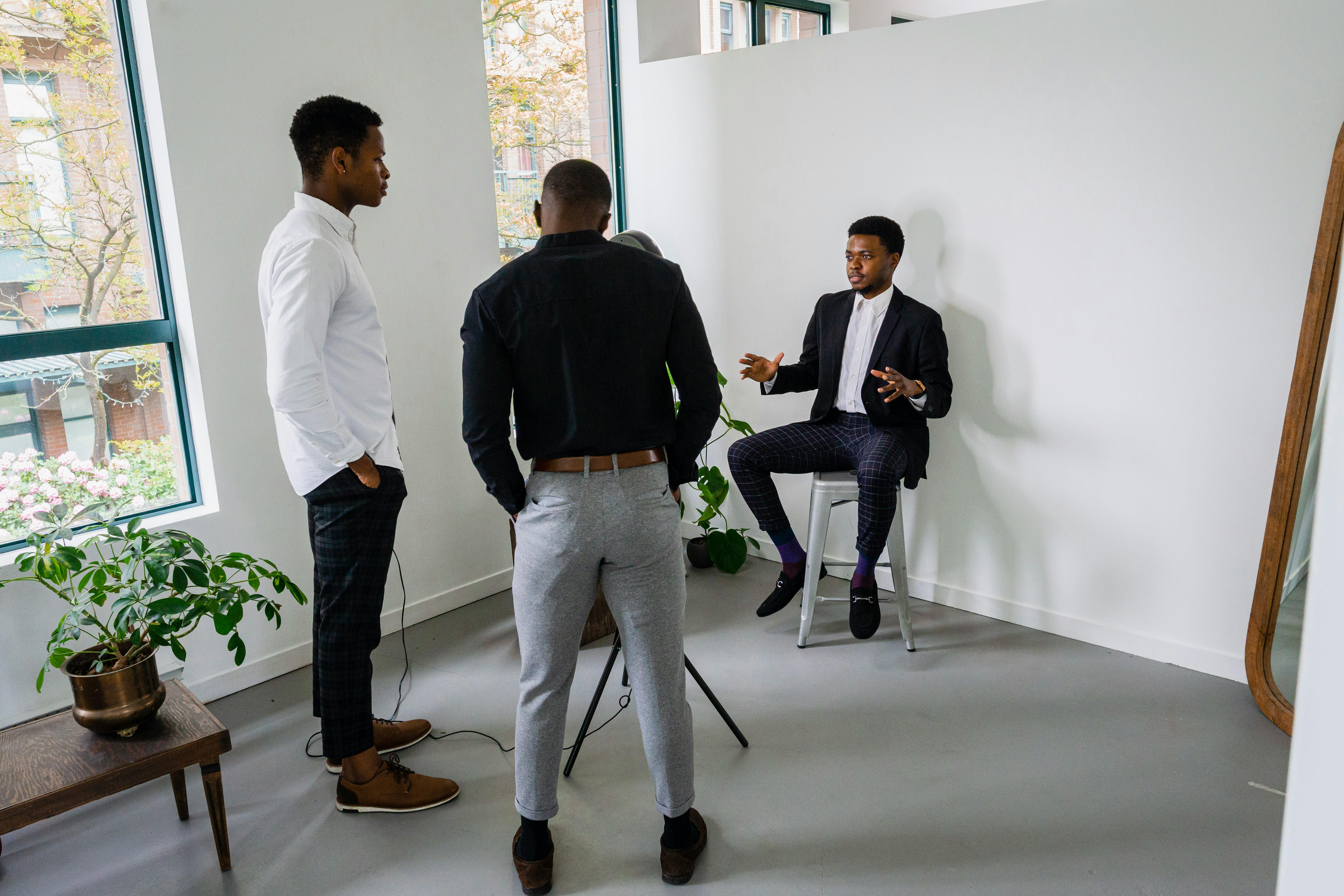
The style and colors of the images used in event planning are essential in conveying the desired atmosphere. For example, a corporate event might benefit from sleek, professional images with a color palette that reflects the brand’s identity. In contrast, a wedding might call for softer tones and romantic compositions to capture the essence of love and celebration.
When selecting images, consider the following:
- Brand Alignment: Ensure that the images reflect the brand’s values and aesthetic. Consistency in style helps reinforce the organization’s identity.
- Emotion Evocation: Choose images that evoke the right feelings in the audience. Warm colors and candid moments can create a sense of joy, while cooler tones might represent professionalism.
- Target Audience: Understand the preferences of the audience. Are they more inclined towards modern aesthetics or traditional themes? Tailoring imagery to fit the audience can significantly impact engagement.
Techniques for Captivating Event-Planning Images

To capture the essence of an event effectively, photographers and planners can employ various techniques:
- Natural Light: Utilizing natural light can enhance the quality of images, lending a more authentic feel to photographs. Schedule events during the golden hour for the best lighting.
- Composition Techniques: Employ techniques like the rule of thirds, leading lines, and framing to create dynamic and engaging images.
- Wide Shots and Close-Ups: A mix of wide shots that depict the entire event space and close-ups that capture details can provide a well-rounded visual story.
By incorporating these techniques, event planners can elevate their visual content, ensuring it resonates with their audience.
Leveraging Images for Marketing and Promotion
The importance of event-planning images extends beyond mere documentation; they are instrumental in marketing and promotion. High-quality, engaging images can be used across various platforms, including social media, websites, and promotional materials. Here are some ways images can be leveraged:
- Social Media Campaigns: Create engaging posts that utilize eye-catching images to attract followers and potential attendees.
- Event Websites: Use visuals to enhance the experience of visitors to your event website. Great images can significantly improve the likelihood of ticket sales.
- Email Marketing: Include compelling images in email newsletters to entice recipients and increase open and click-through rates.
Incorporating visuals into marketing strategies can create a more compelling narrative and drive attendance to future events.
Inspiration for Event-Planning Images
.jpg)
Gaining inspiration for event-planning images can come from various sources. Websites like Pinterest and Instagram are treasure troves of ideas, showcasing different styles, themes, and compositions. Additionally, attending other events can provide insights into what works and what doesn’t in terms of visual storytelling.
Collaborating with professional photographers who specialize in event photography can also bring a unique perspective. They often have a keen eye for detail and can suggest creative ways to capture the essence of your event.
Ultimately, the imagery used in event planning is more than just decoration; it is a crucial aspect of communicating the value and experience of the event itself. By understanding the power of visuals, event planners can create striking narratives that resonate with audiences and create lasting memories.