
Understanding population dynamics is essential in various fields, including urban planning, environmental science, and social studies. However, the significance of imagery in representing these dynamics is often overlooked. The visual representation of population data can provide insights that raw data cannot convey. This article delves into how images related to population dynamics can enhance our understanding and inspire design choices, especially in the context of wallpapers and visual designs.
Why Imagery Matters in Population Dynamics
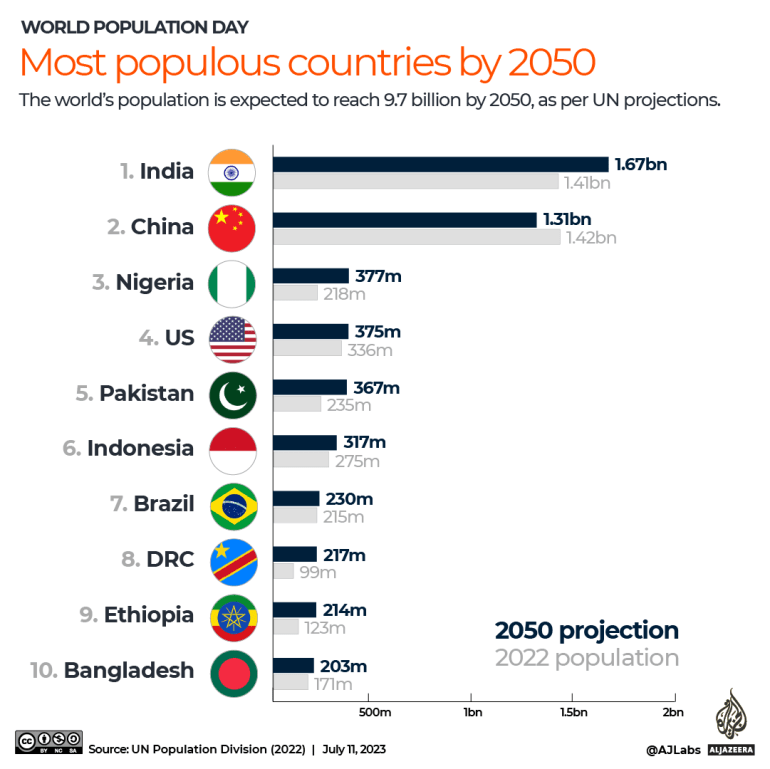
Imagery serves as a powerful tool for interpreting complex data. It allows us to grasp trends, patterns, and shifts in population over time. For instance, maps, charts, and infographics can illustrate demographic changes, migration patterns, and urbanization processes effectively. When used in design, these visuals can translate scientific or statistical information into appealing and relatable images, which can be particularly useful for wallpapers.
Visualizing population data can also evoke emotional responses. A well-designed image can tell a story, drawing attention to issues such as overpopulation, urban sprawl, or migration. This emotional engagement can lead to greater awareness and action, making imagery an essential component in discussions about population dynamics.
Types of Imagery for Population Dynamics
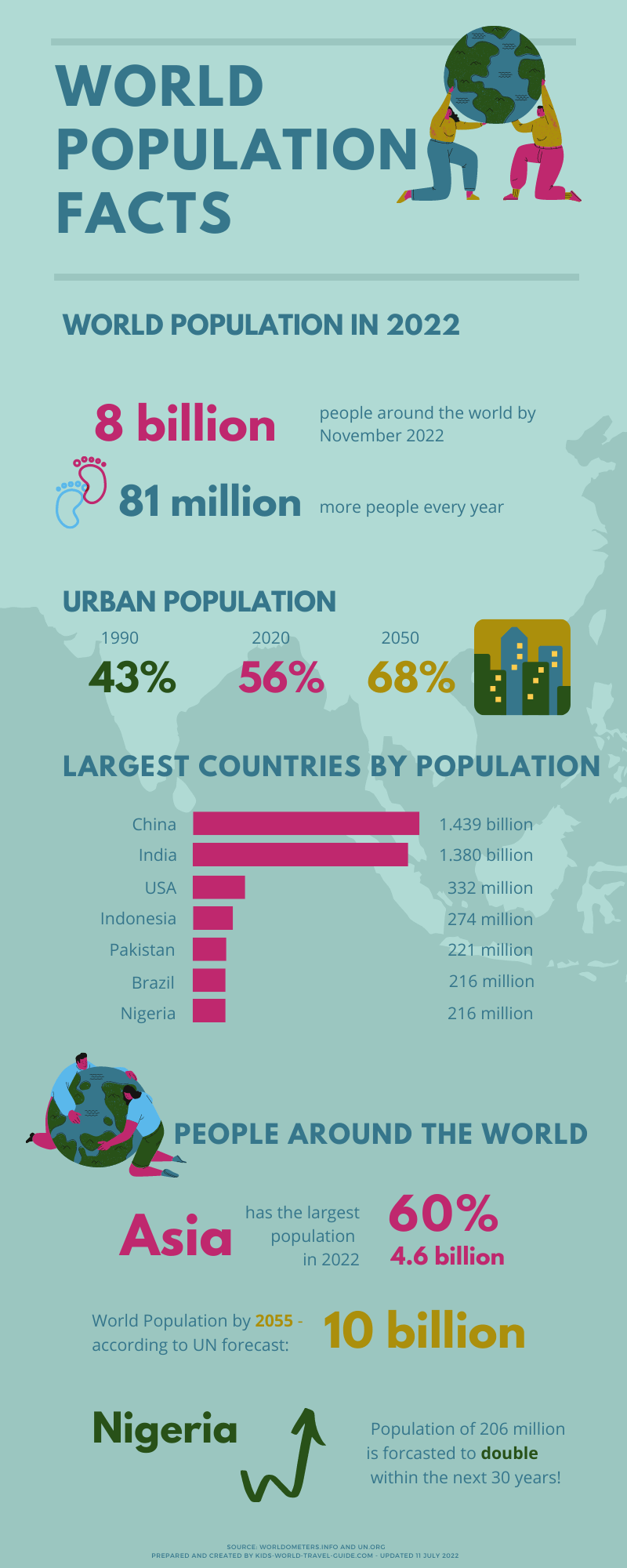
When it comes to depicting population dynamics through imagery, there are several types of visuals to consider. Each type has its unique style and purpose:
- Data Visualizations: Graphs and charts can present numerical data in a way that is easy to understand. Infographics that merge statistics with graphics can illustrate trends over time or comparisons between regions.
- Maps: Geographic maps showing population density, migration routes, or urban growth can provide context. Heat maps, for example, can show areas of high population concentration visually.
- Photography: Real-life images capturing communities and urban landscapes can evoke feelings and emotions, providing a human element to the data.
- Artistic Representations: Creative interpretations of population dynamics can include illustrations, digital art, or abstract designs that convey themes related to population changes.
Choosing the Right Imagery for Your Wallpaper Design

When selecting imagery for wallpapers, consider the following tips to ensure your designs resonate with your audience:
- Relevance: Choose images that align with the theme of population dynamics. For instance, wallpapers featuring cities, diverse communities, or natural landscapes affected by urbanization can enhance the message.
- Color Palette: Colors evoke emotions and set the mood. Use colors that reflect the themes you want to convey. Earthy tones may represent nature and sustainability, while vibrant colors can signify growth and vitality.
- Style Consistency: Ensure that the imagery style matches the overall aesthetic of the space where the wallpaper will be used. Whether it’s modern, minimalist, or classic, consistency helps create a harmonious look.
- Size and Resolution: High-resolution images are essential for wallpaper design. Ensure that the chosen imagery looks good at the intended scale, whether it’s on a desktop, mobile device, or tablet.
Inspiration from Population Dynamics Imagery
Imagery depicting population dynamics can inspire various design concepts. Here are some ideas:
- Urban Landscapes: Use high-quality photographs of bustling cities, showcasing architecture and the vibrancy of urban life. These can create a dynamic atmosphere in an office or living space.
- Natural Diversity: Wallpapers featuring diverse flora and fauna can symbolize population diversity and ecological balance. Such designs can be calming and educational.
- Historical Context: Incorporate vintage maps or historical population trends to create a nostalgic feel. These can serve as conversation starters while providing educational insights.
- Abstract Designs: Utilize abstract art that represents population flow, such as swirling patterns or gradients. These can add a modern touch to any space.
Practical Considerations in Wallpaper Design
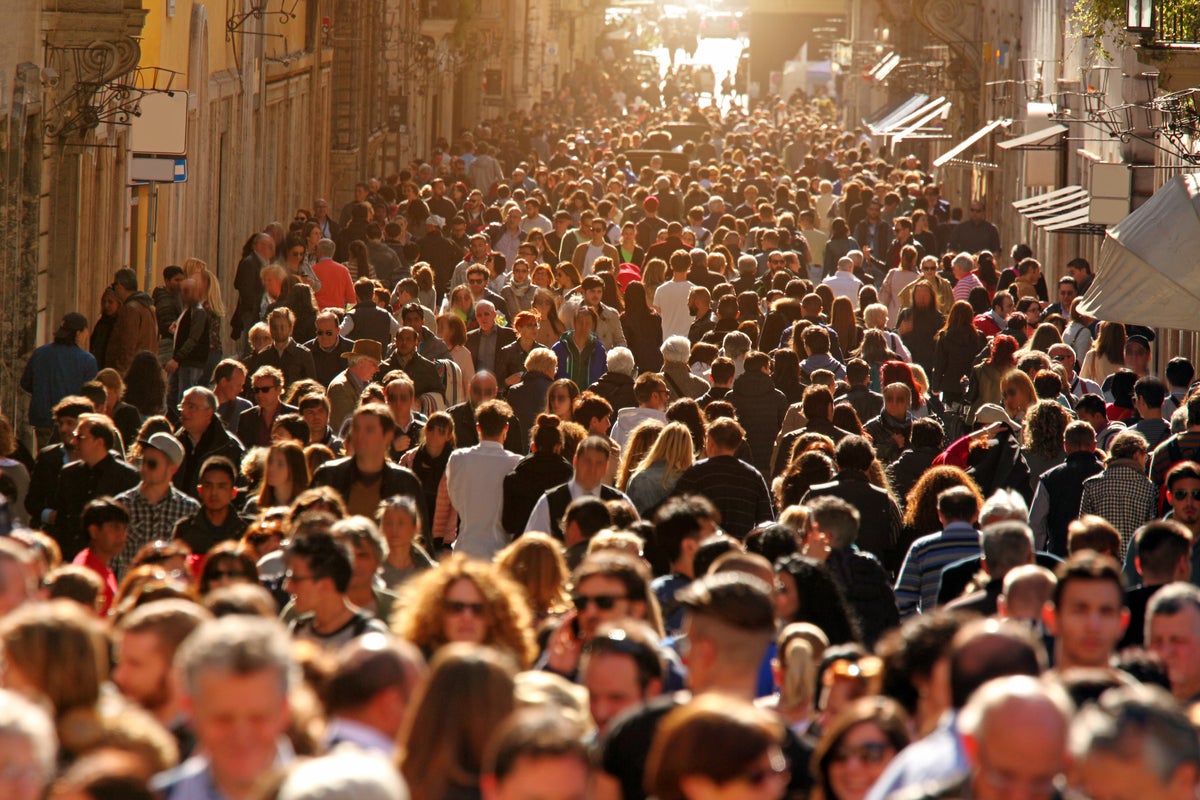
When designing wallpapers using imagery of population dynamics, practicality is also essential. Consider the following:
- Durability: Ensure the wallpaper material is durable and easy to clean, especially in high-traffic areas.
- Lighting: Analyze how lighting in the room affects the imagery. Natural and artificial light can change the perception of colors and details in the wallpaper.
- Theme Cohesion: Maintain a cohesive theme throughout the space. Mixing images that represent different aspects of population dynamics can create a disjointed look.
Imagery associated with population dynamics can serve as a significant element in wallpaper designs, providing both aesthetic appeal and informative content. As our understanding of population changes continues to evolve, the role of visual representation remains crucial in our communication and design choices. By thoughtfully selecting and utilizing these images, designers can create impactful spaces that resonate with viewers, promoting awareness and appreciation for the dynamics of our world.