
The world we inhabit is a dynamic tapestry of human experiences, shaped by historical events, cultural shifts, and societal changes. As the population grows and transforms, so too does the visual representation of these shifts. Photographic imagery serves as a powerful medium to capture the essence of population trends, allowing us to reflect on our past and envision our future. This article delves into the historical population trends illustrated through photography and offers inspiration for incorporating these themes into your wallpaper designs.
The Role of Photography in Documenting Population Changes
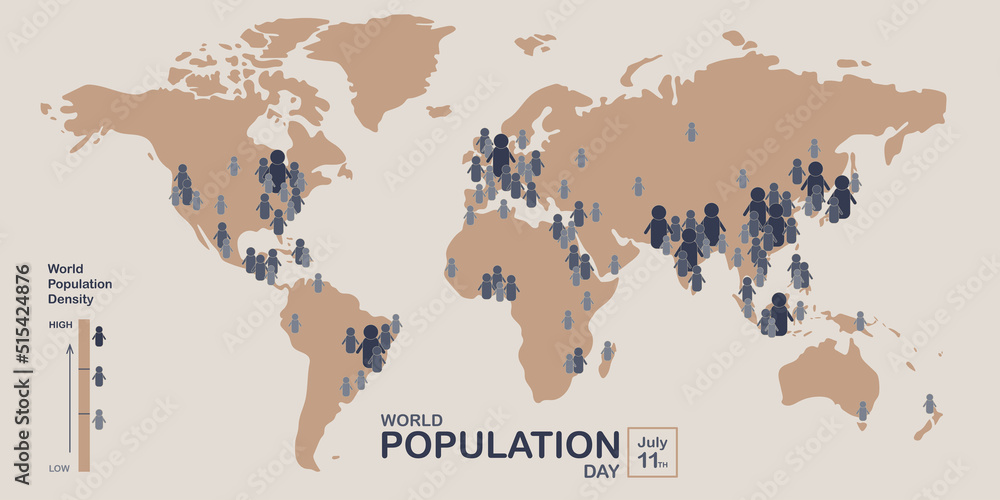
Photography has long been a tool for documenting the human experience. From early daguerreotypes to modern digital photography, images have the power to convey stories that statistics alone cannot. Historical photographs capture moments in time, showcasing the diversity of populations, migration patterns, and urbanization.
As we explore the historical context of population trends, we see how photography has documented significant events — wars, migrations, economic shifts, and demographic changes. These images not only reflect the numbers but also the lives behind those numbers, providing context and emotional depth.
Understanding Historical Population Trends
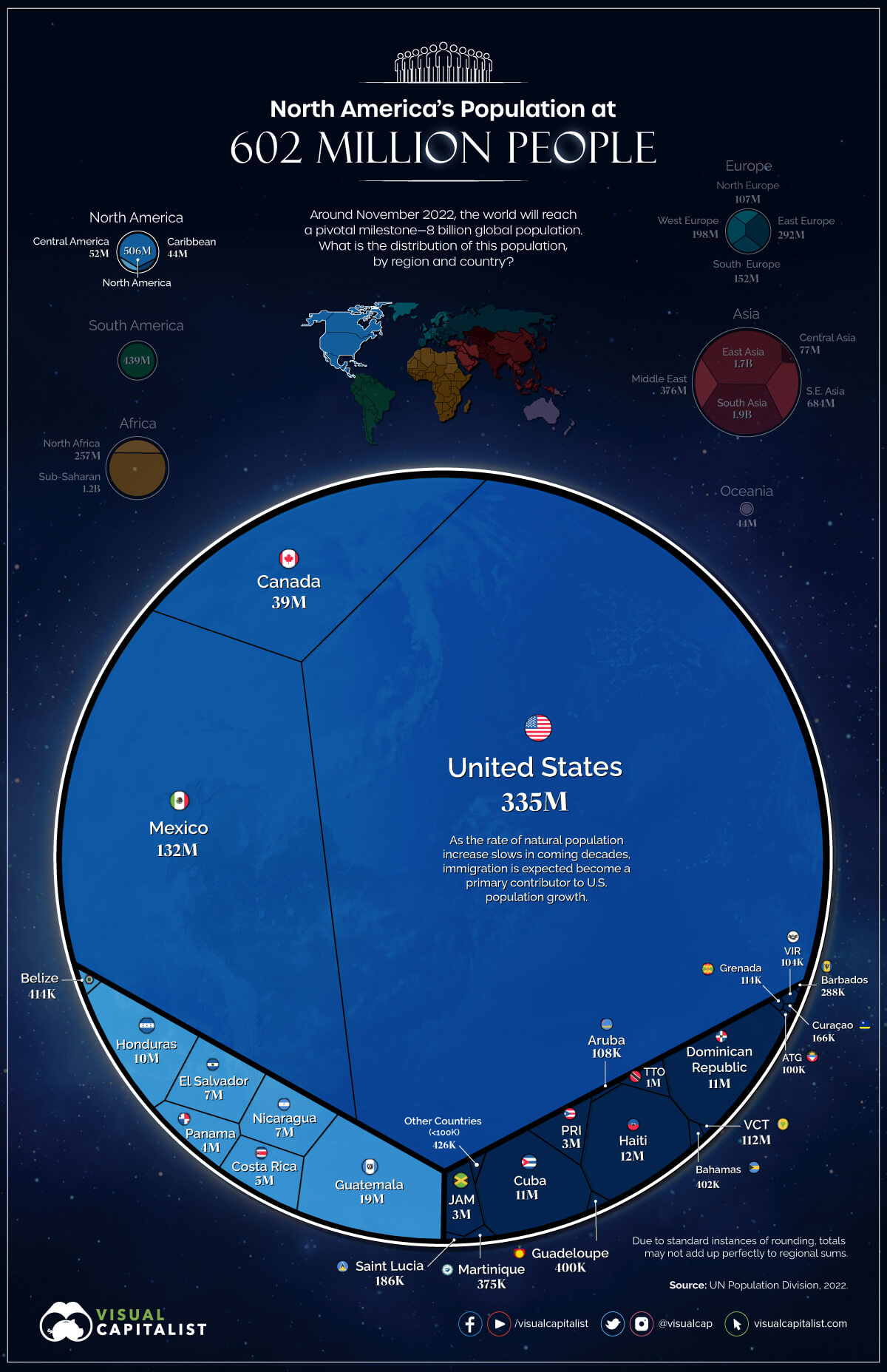
Throughout history, population trends have been influenced by a variety of factors, including industrialization, globalization, and climate change. Each era has produced unique photographic records that highlight these changes. For instance, the industrial revolution led to mass urban migration, which was poignantly captured in the work of photographers like Lewis Hine, who documented the lives of factory workers.
In the 20th century, global events such as the Great Depression and World War II significantly impacted population dynamics. Photographers like Dorothea Lange and Robert Capa showcased the struggles and resilience of people during these challenging times.
Incorporating Historical Imagery into Wallpaper Design
For those inspired by historical population trends, integrating photographic imagery into wallpaper design can create a striking visual narrative. Here are some ideas for choosing the right images, colors, and themes for your wallpaper:
- Choose Iconic Images: Select impactful historical photographs that capture the essence of a particular era or demographic change. These images can serve as conversation starters in any space.
- Color Schemes: Consider the color palette of the photographs you choose. Black and white images can evoke a sense of nostalgia, while color photographs from the 1960s and 1970s may bring a vibrant energy into the room.
- Textures and Patterns: Incorporate textures that complement the photographs. For instance, a gritty urban scene may look stunning against a distressed or raw texture, whereas pastoral scenes could be paired with softer, more organic textures.
Finding Inspiration in Cultural Diversity
Population trends are not just about numbers; they reflect cultural diversity and the blending of traditions. Wallpaper designs that celebrate this diversity can bring warmth and character to any interior space. Here are a few ideas to inspire your design choices:
- Cultural Patterns: Utilize patterns inspired by various cultures and traditions. For example, African tribal patterns or Asian motifs can add a unique touch to your wallpaper.
- Multicultural Imagery: Curate a collection of photographs that showcase the beauty of multiculturalism. This could include images of various ethnic groups, traditional costumes, and celebrations.
- Storytelling Through Design: Create a narrative with your wallpaper by using a series of photographs that tell a story about migration, urban development, or community life.
Practical Tips for Choosing and Combining Wallpapers
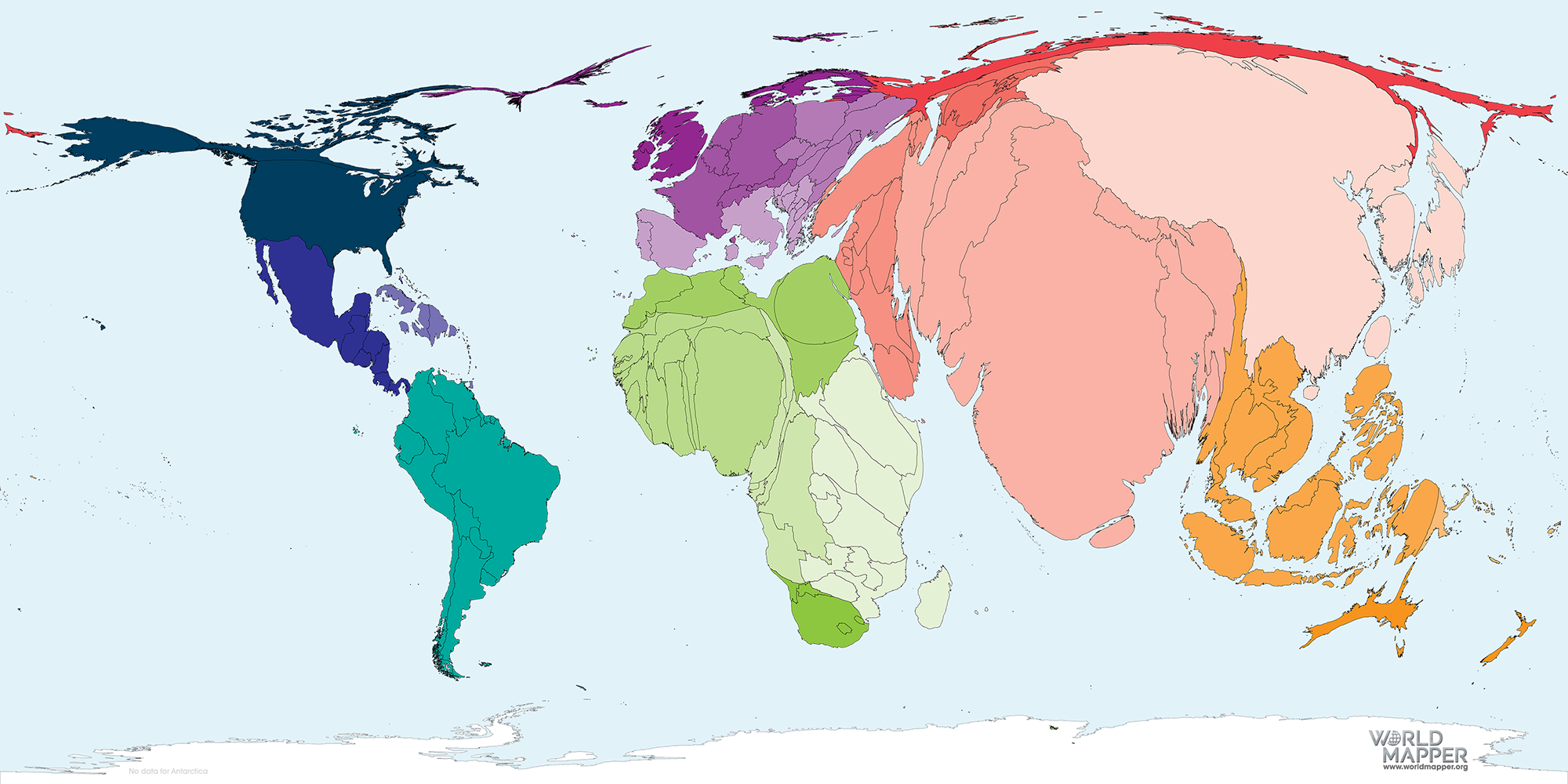
When incorporating historical photographic imagery into your wallpaper design, consider these practical tips to ensure a cohesive and aesthetically pleasing look:
- Balance and Harmony: Ensure that the colors and styles of the photographs you choose complement each other. Use a color wheel to find harmonious combinations.
- Focal Points: Use larger, striking images as focal points in a room, while opting for smaller, subtler images as accents. This creates visual interest without overwhelming the space.
- Mixing Styles: Don’t be afraid to mix different styles of photography. For instance, combining vintage black and white photographs with modern color images can create an intriguing juxtaposition.
Where to Find Historical Images for Wallpaper
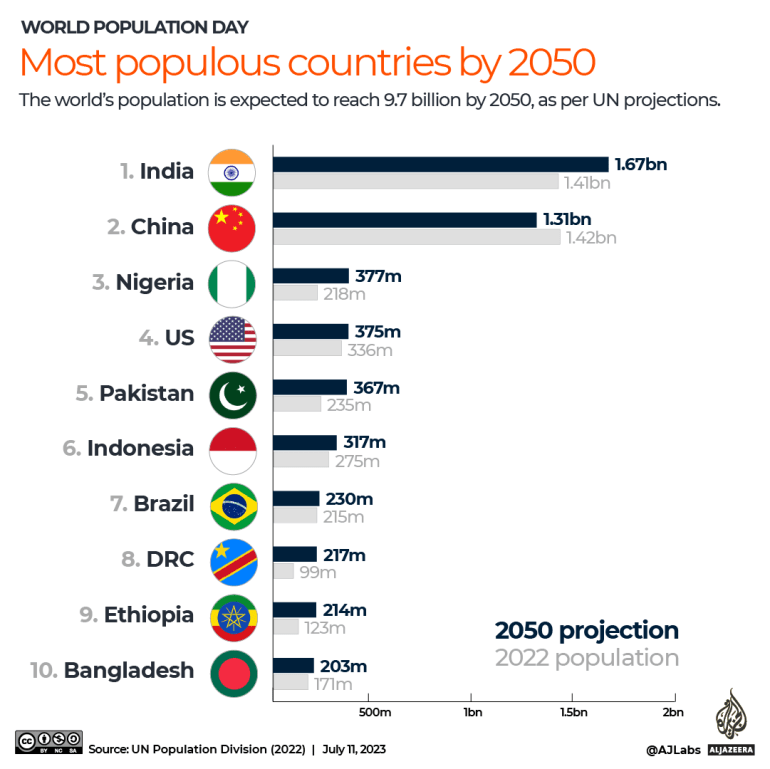
In the digital age, sourcing high-quality historical photographs for your wallpaper design has never been easier. Numerous online resources provide access to vast archives of images:
- Public Domain Archives: Websites like the Library of Congress or the New York Public Library Digital Collections offer a wealth of public domain images that can be used freely.
- Stock Photography Sites: Paid stock photography websites often host curated collections of historical images that can be licensed for use.
- Photography Museums: Many museums have online galleries showcasing historical photography. Check for their usage policies to see if you can incorporate their images into your designs.
In summary, the interplay between historical population trends and photographic imagery is a rich source of inspiration for wallpaper design. By thoughtfully selecting images that tell a story, you can create a visually compelling narrative that enhances your space. Whether you are designing for your home or a public space, let the transformation of populations through time inspire your next wallpaper choice.